

As a supplier of auxiliary (aux) boilers, I often get asked about the feasibility of using these boilers in various settings. One question that comes up frequently is whether an aux boiler can be used in a school building. In this blog post, I'll explore this topic in detail, discussing the advantages, considerations, and technical aspects related to using aux boilers in educational institutions.
Advantages of Using an Aux Boiler in a School Building
1. Reliable Heating Source
Schools need a consistent and reliable heating system, especially during the cold winter months. Aux boilers are known for their reliability. They can provide a stable source of heat, ensuring that classrooms, hallways, and other areas of the school remain warm and comfortable. This is crucial for the well - being of students and staff, as a warm environment is conducive to learning and productivity.
2. Energy Efficiency
Modern aux boilers are designed with energy - saving features. They can operate at high efficiency levels, which means they consume less fuel to produce the same amount of heat compared to older or less advanced heating systems. This is not only beneficial for the school's budget but also for the environment. By reducing energy consumption, schools can lower their carbon footprint and contribute to a more sustainable future.
3. Flexibility
Aux boilers offer a high degree of flexibility. They can be used in combination with other heating sources or as a standalone system. For example, if a school already has a central heating system but needs additional heat in certain areas, an aux boiler can be installed to meet that specific demand. This flexibility allows schools to customize their heating solutions based on their unique requirements.
Technical Considerations
1. Boiler Size and Capacity
Selecting the right size and capacity of the aux boiler is crucial. It needs to be able to meet the heating demands of the school building. Factors such as the size of the building, the number of rooms, and the insulation level all play a role in determining the appropriate boiler capacity. A boiler that is too small will not be able to provide sufficient heat, while a boiler that is too large will waste energy and increase operating costs.
2. Safety Features
Safety is of utmost importance in a school environment. Aux boilers should be equipped with a range of safety features, such as pressure relief valves, low - water cut - offs, and flame failure devices. These features help prevent accidents and ensure the safe operation of the boiler. Additionally, regular maintenance and inspections are necessary to keep the boiler in good working condition.
3. Emissions
In today's environmentally conscious world, emissions are a significant concern. Aux boilers should comply with local and national environmental regulations regarding emissions. Modern boilers are designed to produce low levels of pollutants, such as nitrogen oxides (NOx) and sulfur dioxide (SO2). By choosing a boiler with low emissions, schools can contribute to better air quality both inside and outside the building.

Installation and Maintenance
1. Professional Installation
Installing an aux boiler is a complex process that requires professional expertise. It is essential to hire a qualified and experienced installer who can ensure that the boiler is installed correctly and safely. The installer should also be familiar with local building codes and regulations.
2. Regular Maintenance
Regular maintenance is key to the long - term performance and reliability of an aux boiler. This includes tasks such as cleaning the boiler, checking the safety devices, and servicing the burner. Schools should establish a maintenance schedule and work with a reputable maintenance provider to ensure that the boiler is well - maintained.
Related Products for Aux Boilers
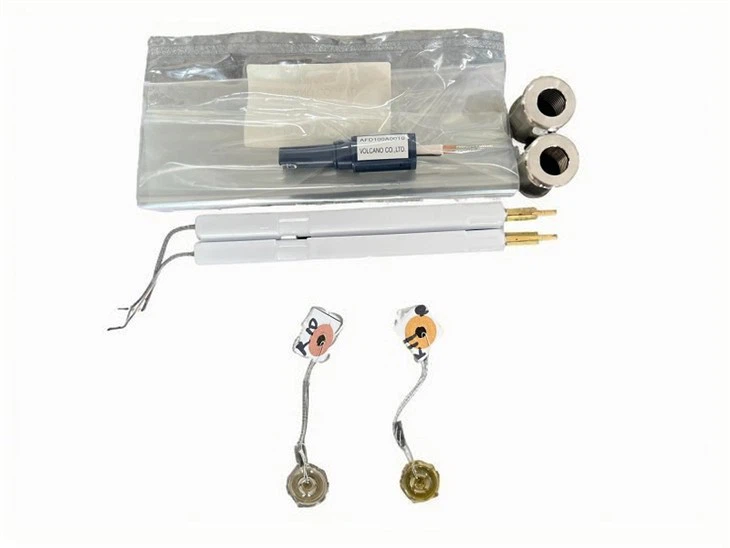
When it comes to aux boilers, there are several related products that can enhance their performance and safety. For example, a Marine Boiler Flame Scanner is an important device that monitors the flame in the boiler. It helps ensure that the burner is operating properly and can detect any flame failures, which is crucial for safety.
Another essential component is the Burner Ignition Electrode. This electrode is responsible for igniting the fuel in the burner. A high - quality ignition electrode can improve the efficiency and reliability of the ignition process.
In addition, Incinerator Spares may be relevant if the school has an incinerator system in conjunction with the aux boiler. These spares can help keep the incinerator in good working condition and ensure proper waste disposal.
Conclusion
In conclusion, an aux boiler can be a viable option for a school building. It offers reliable heating, energy efficiency, and flexibility. However, careful consideration must be given to technical aspects such as size, safety, and emissions. Professional installation and regular maintenance are also essential for the successful operation of the boiler.
If you are a school administrator or facilities manager considering an aux boiler for your school, I encourage you to reach out to discuss your specific needs. Our team of experts can provide you with detailed information, guidance, and a customized solution that meets your requirements. Contact us today to start the conversation about how an aux boiler can benefit your school.
References
- ASHRAE Handbook of Heating, Ventilating, and Air - Conditioning Systems and Equipment
- Boiler and Pressure Vessel Code, American Society of Mechanical Engineers (ASME)
- Local building and environmental regulations