

Hey there! As a supplier of Incinerator Spares, I often get asked a bunch of questions from my customers. One question that pops up quite a bit is, "Do incinerator spares require regular calibration?" Well, let's dive right into this topic and find out.
First off, let me give you a quick intro to Incinerator Spares. Incinerator spares are parts that are used to keep incinerators running smoothly. These spares can range from small components like sensors to larger parts like burners. Incinerators are used in a variety of settings, from hospitals to industrial plants, to get rid of waste. And just like any other piece of machinery, incinerators need proper maintenance to work efficiently.
Now, back to the question at hand - calibration. Calibration is the process of adjusting a measuring instrument or device to ensure that it provides accurate and consistent results. In the context of incinerator spares, calibration is crucial for several reasons.
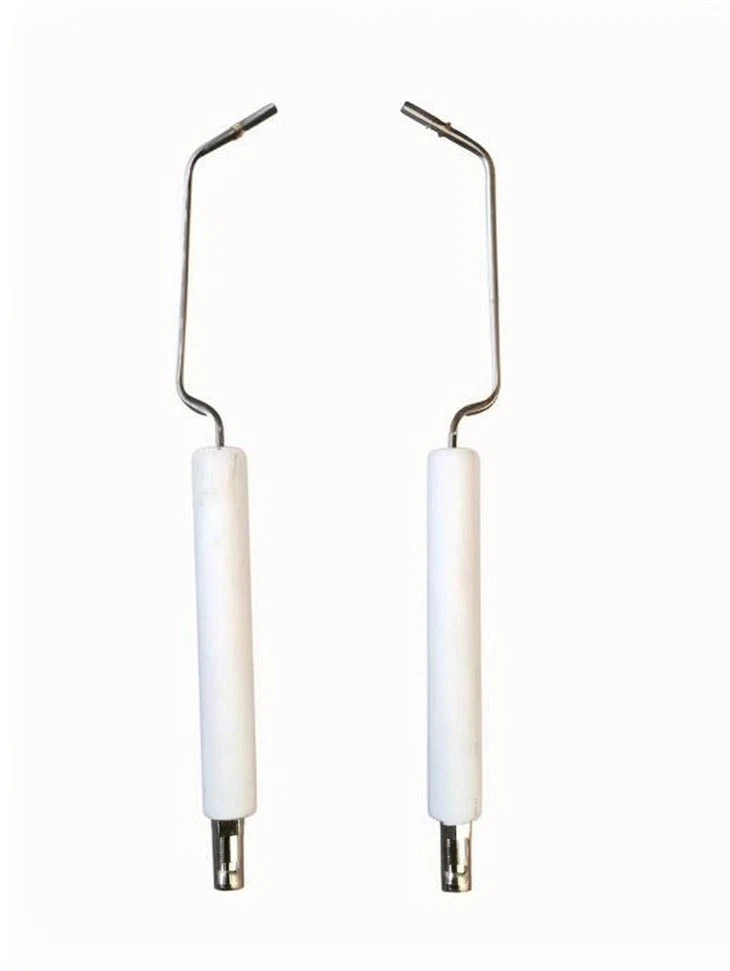
Let's start with safety. Incinerators deal with waste, and often, this waste can be hazardous. For example, in a hospital incinerator, you're burning medical waste that might contain pathogens. If the sensors in the incinerator aren't calibrated correctly, they might not detect dangerous levels of emissions or malfunctions. This could lead to the release of harmful substances into the environment or even cause an explosion in extreme cases. So, regular calibration of spares like Burner Ignition Electrode is essential to ensure that the incinerator operates safely.
Another reason for calibration is efficiency. An incinerator that's running at peak efficiency can save a lot of money in the long run. If the Marine Boiler Water Level Gauge in a marine incinerator isn't calibrated, it might give inaccurate readings. This could lead to improper water levels, which in turn can affect the combustion process. As a result, the incinerator might use more fuel than necessary, or it might not burn the waste completely. By calibrating these spares regularly, you can make sure that the incinerator is using fuel efficiently and getting the most out of every burn.
Accuracy is also a big factor. Many incinerators are required to meet certain environmental standards. For instance, industrial incinerators need to keep their emissions within legal limits. If the sensors that measure these emissions aren't calibrated, the incinerator operator might think they're within the limits when they're actually not. This could lead to hefty fines and damage to the company's reputation. Regular calibration ensures that the incinerator is accurately measured and can operate within the required standards.

But how often should you calibrate incinerator spares? Well, it depends on a few factors. The type of spare is one thing. Some spares, like simple mechanical parts, might not need calibration as often as electronic sensors. The frequency of use is another factor. An incinerator that's running 24/7 will probably need more frequent calibration than one that's used only occasionally. Also, the environment in which the incinerator operates matters. If it's in a harsh environment with a lot of dust or vibration, the spares might need to be calibrated more often.
As a general rule of thumb, I'd recommend having a calibration schedule. For most electronic sensors and critical components, calibration every six months to a year is a good idea. However, it's always a good idea to consult the manufacturer's recommendations. They usually have specific guidelines based on the design and function of the spare.
When it comes to calibration, it's important to use a professional service. Calibration isn't something you can just do yourself with a basic toolset. You need specialized equipment and trained technicians. A professional calibration service will have the right tools to accurately measure and adjust the spares. They'll also be able to provide documentation of the calibration, which can be useful for audits and compliance purposes.
I've seen cases where customers try to cut corners and skip calibration. They think it's an unnecessary expense. But in the long run, it ends up costing them more. A malfunctioning incinerator can lead to downtime, which means lost productivity. It can also cause damage to other parts of the incinerator, leading to expensive repairs. So, investing in regular calibration is actually a smart move.
As an Incinerator Spares supplier, I've worked with many customers over the years. I've seen firsthand the difference that proper calibration can make. I've also seen the problems that can arise when calibration is neglected. That's why I always stress the importance of regular calibration to my customers.
If you're in the market for incinerator spares or need advice on calibration, don't hesitate to reach out. I'm here to help you keep your incinerator running smoothly and efficiently. Whether you're a small business or a large industrial plant, I've got the spares and the knowledge to meet your needs. Contact me to discuss your requirements and start a purchase negotiation. Let's work together to make sure your incinerator is in top-notch condition.
References
- Incinerator Industry Standards and Guidelines
- Manufacturer's Manuals for Incinerator Spares
- Professional Calibration Service Literature