

Hey there! As a supplier of aux boilers, I've seen firsthand how important it is to get those settings just right. In this blog, I'll walk you through the steps to adjust the settings of an aux boiler, sharing some tips and tricks along the way.
Understanding Your Aux Boiler
Before you start adjusting any settings, it's crucial to have a good understanding of your aux boiler. Different models may have slightly different features and controls, so take the time to read the manual. This will give you a clear picture of what each setting does and how it affects the boiler's performance.
Pre - adjustment Checks
First things first, you need to perform a few pre - adjustment checks. Make sure the boiler is shut down and has cooled off. Check the water level in the boiler. A proper water level is essential for safe and efficient operation. You can use a Marine Boiler Water Level Gauge to accurately measure the water level. If the water level is too low, it can cause overheating and damage to the boiler. On the other hand, if it's too high, it can lead to water carryover into the steam lines.
Inspect the fuel supply system. Look for any signs of leaks, blockages, or damage. The fuel filter should be clean, and the fuel pressure should be within the recommended range. A clogged fuel filter or incorrect fuel pressure can affect the combustion process and the overall performance of the boiler.
Check the electrical connections. Loose or damaged connections can cause electrical problems and potentially lead to a malfunction of the boiler controls. Make sure all wires are securely connected and there are no signs of fraying or corrosion.
Adjusting the Pressure Settings
One of the most important settings on an aux boiler is the pressure setting. The boiler needs to operate at the correct pressure to produce steam efficiently. To adjust the pressure, locate the pressure control switch. This is usually a small device with a dial or a set of adjustable screws.
Start by referring to the manufacturer's specifications for the recommended operating pressure. Then, use a screwdriver to turn the adjustment screw on the pressure control switch. Turning the screw clockwise will increase the pressure setting, while turning it counter - clockwise will decrease it. Make small adjustments and check the pressure gauge after each adjustment.
It's important not to set the pressure too high. Excessive pressure can put stress on the boiler components and increase the risk of a boiler explosion. Conversely, if the pressure is too low, the boiler may not be able to produce enough steam for your needs.
Adjusting the Temperature Settings
The temperature of the steam produced by the aux boiler also needs to be carefully regulated. To adjust the temperature, you'll typically need to access the temperature control unit. This unit may be located near the burner or on the boiler control panel.
Similar to the pressure adjustment, refer to the manufacturer's guidelines for the ideal steam temperature. Most aux boilers have a thermocouple or a temperature sensor that measures the steam temperature. The temperature control unit uses this information to adjust the burner output.
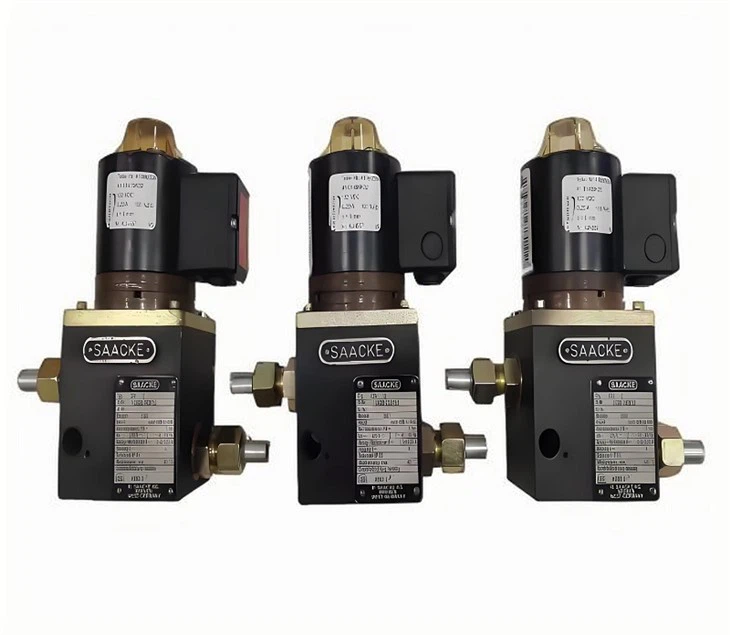

You can usually adjust the temperature setting by turning a dial or using a digital interface. If you're using a dial, turn it slowly to increase or decrease the temperature setting. If it's a digital interface, follow the on - screen instructions to make the adjustment.
Keep in mind that the temperature setting should be balanced with the pressure setting. A higher temperature may require a higher pressure to maintain the proper steam quality.
Adjusting the Burner Settings
The burner is the heart of the aux boiler, and getting its settings right is crucial for efficient combustion. The burner settings include the fuel - air ratio, the ignition timing, and the burner output.
To adjust the fuel - air ratio, you'll need to access the burner controls. This may involve adjusting the air damper or the fuel valve. The goal is to achieve the optimal ratio that allows for complete combustion of the fuel. A proper fuel - air ratio will result in less pollution, better fuel efficiency, and a more stable flame.
You can use a combustion analyzer to measure the oxygen and carbon monoxide levels in the flue gas. Based on the readings, you can make adjustments to the air damper or the fuel valve. If the oxygen level is too high, it means there's too much air, and you can close the air damper slightly. If the carbon monoxide level is too high, it indicates incomplete combustion, and you may need to increase the fuel supply or adjust the air intake.
The ignition timing is another important setting. The burner should ignite the fuel at the right moment to ensure a smooth start. Most modern aux boilers have an electronic ignition system that can be adjusted through the control panel. Follow the manufacturer's instructions to set the correct ignition timing.
The burner output can be adjusted to match the steam demand. If you need more steam, you can increase the burner output. Conversely, if the demand is low, you can reduce the output to save fuel. This adjustment is usually made by changing the fuel valve opening or the burner speed.
Flame Monitoring and Adjustment
A stable and healthy flame is essential for the proper operation of the aux boiler. That's where a Marine Boiler Flame Scanner comes in. This device monitors the flame and provides feedback to the boiler control system.
If the flame scanner detects an unstable or weak flame, it may indicate a problem with the burner settings or the fuel - air ratio. You can use the flame scanner readings to make adjustments to the burner. For example, if the flame is too small or flickering, you may need to increase the fuel supply or adjust the air intake.
Troubleshooting and Fine - tuning
After making the initial adjustments, it's a good idea to run the aux boiler for a while and monitor its performance. Check the steam pressure, temperature, and water level regularly. Look for any signs of abnormal operation, such as strange noises, vibrations, or excessive smoke.
If you encounter any problems, refer to the troubleshooting section of the boiler manual. It may provide solutions for common issues like a burner failure, a low water level alarm, or a pressure fluctuation.
Fine - tuning the settings may take some time and patience. Don't be afraid to make small adjustments and observe the effects. It's better to make incremental changes than to make large, sudden adjustments that could cause more problems.
Maintenance and Spare Parts
Regular maintenance is essential to keep your aux boiler in good working condition. This includes cleaning the boiler components, checking the seals and gaskets, and replacing worn - out parts.
As an aux boiler supplier, we also offer a wide range of spare parts, such as Incinerator Spares. Having spare parts on hand can save you time and money in case of a breakdown. Make sure to stock up on essential spare parts like fuel filters, gaskets, and ignition electrodes.
Conclusion
Adjusting the settings of an aux boiler is a task that requires careful attention and knowledge. By following the steps outlined in this blog, you can ensure that your aux boiler operates safely and efficiently.
If you have any questions or need further assistance with adjusting your aux boiler settings or if you're interested in purchasing an aux boiler or spare parts, don't hesitate to get in touch. We're here to help you make the most of your boiler investment.
References
- Boiler Manufacturer's Manuals
- Industry Standards and Guidelines for Auxiliary Boilers