

Yo, fellow ship owners and operators! As a supplier of auxiliary boilers (aux boilers), I've seen firsthand the headaches that scale formation can cause. It's not just a minor annoyance; it can seriously mess with your boiler's performance and longevity. In this blog, I'm gonna share some tips on how to prevent scale formation in an aux boiler.
First off, let's talk about what scale is and why it's such a big deal. Scale is basically a hard, crusty deposit that forms on the inside of your boiler tubes and other components. It's usually made up of minerals like calcium and magnesium that are present in the water you use to fill your boiler. When the water is heated, these minerals can precipitate out of the solution and stick to the metal surfaces.
Why is this a problem? Well, scale acts as an insulator, which means it reduces the efficiency of your boiler. Your boiler has to work harder to heat the water, which uses more fuel and costs you more money. Over time, scale can also cause corrosion and damage to the boiler tubes, which can lead to leaks and other serious problems.
So, how can you prevent scale formation in your aux boiler? Here are some tips:
1. Use High - Quality Water
The quality of the water you use in your boiler is crucial. You want to use water that has a low mineral content. If possible, use demineralized or distilled water. These types of water have had most of the minerals removed, which greatly reduces the risk of scale formation.
If you can't use demineralized or distilled water, you can treat your water with a water softener. A water softener works by removing the calcium and magnesium ions from the water and replacing them with sodium ions. This makes the water "softer" and less likely to form scale.
2. Install a Water Treatment System
A good water treatment system can do wonders for preventing scale formation. There are different types of water treatment systems available, such as chemical treatment systems and physical treatment systems.
Chemical treatment systems use chemicals to prevent the minerals in the water from forming scale. These chemicals can either prevent the minerals from precipitating out of the solution or they can make the scale that does form more easily removable. You need to be careful when using chemical treatment systems, though, as the chemicals can be harmful if not used properly.
Physical treatment systems, on the other hand, use things like magnetic fields or electronic pulses to change the properties of the minerals in the water. This makes the minerals less likely to stick to the boiler surfaces. Some popular physical treatment systems include electromagnetic water conditioners and ultrasonic water treatment devices.
3. Regularly Clean and Maintain Your Boiler
Regular cleaning and maintenance are essential for preventing scale formation. You should have your boiler inspected and cleaned regularly by a professional. During the cleaning process, the technician can remove any scale that has already formed and check for any signs of damage.
You can also do some basic maintenance yourself. For example, you can regularly blow down your boiler. Blowing down your boiler involves draining a small amount of water from the bottom of the boiler to remove any sediment or scale that has settled there. This helps to keep the water in the boiler clean and reduces the risk of scale formation.
4. Monitor Your Boiler's Performance
Keep an eye on your boiler's performance. If you notice a decrease in efficiency, such as an increase in fuel consumption or a decrease in steam output, it could be a sign of scale formation. You should also monitor the water level and pressure in your boiler regularly. Any sudden changes in these parameters could indicate a problem.
If you suspect that there is scale in your boiler, you can use a scale testing kit to confirm. These kits are relatively inexpensive and easy to use. They can tell you how much scale is present in your boiler and what type of scale it is.
5. Use High - Quality Boiler Components
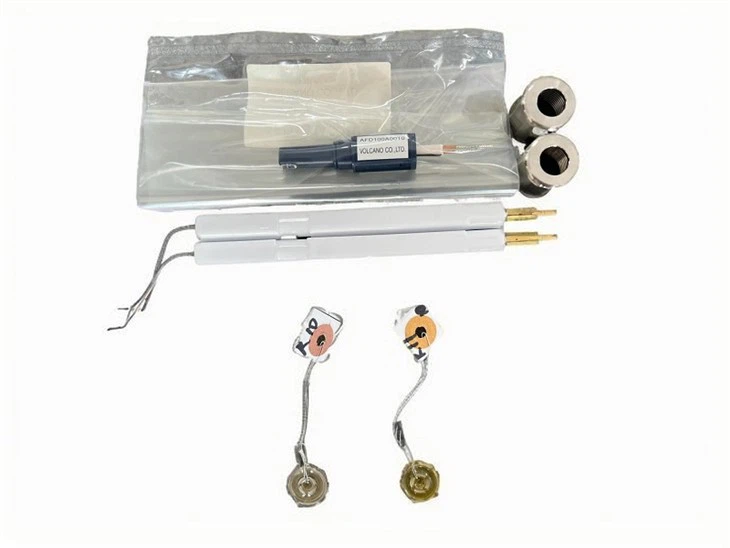
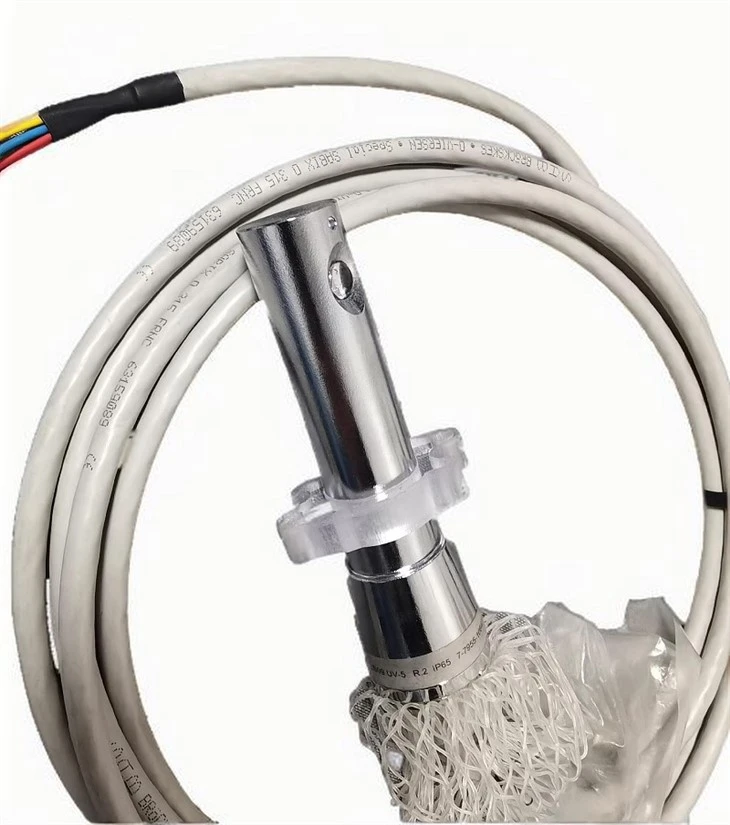
Using high - quality boiler components can also help prevent scale formation. For example, a good Marine Boiler Flame Scanner can ensure that the burner is operating efficiently, which helps to maintain the proper temperature and pressure in the boiler. A faulty burner can cause uneven heating, which can lead to scale formation.
Similarly, high - quality Incinerator Spares and Burner Ignition Electrode can help keep your boiler running smoothly. These components are designed to work together to ensure that your boiler is operating at its best.
Alright, so those are my tips on how to prevent scale formation in an aux boiler. Remember, preventing scale formation is not only good for your boiler's performance and longevity, but it can also save you a lot of money in the long run.
If you're looking for high - quality aux boilers or boiler components, we're here to help. We've got a wide range of products that are designed to meet the needs of different ships and applications. Whether you need a new boiler, replacement parts, or a water treatment system, we've got you covered.
So, if you're interested in learning more about our products or you have any questions about preventing scale formation in your aux boiler, don't hesitate to get in touch. We're always happy to have a chat and help you find the best solutions for your needs. Let's keep your aux boiler running smoothly and efficiently!
References
- Steam Boilers: Operation and Maintenance, 2nd Edition
- Handbook of Marine Engineering, 3rd Edition
- Water Treatment for Industrial Boilers, 5th Edition