

Troubleshooting problems with incinerator spares is a crucial skill for anyone involved in the operation and maintenance of incinerators. As a leading Incinerator Spares supplier, I've encountered a wide range of issues over the years and have developed effective strategies to diagnose and resolve them. In this blog post, I'll share some valuable insights on how to troubleshoot common problems with incinerator spares.
Understanding the Basics of Incinerator Spares
Before diving into troubleshooting, it's essential to have a solid understanding of the different types of incinerator spares and their functions. Incinerators are complex systems that rely on various components to operate efficiently. Some of the key incinerator spares include burners, grates, fans, filters, and control systems. Each of these components plays a vital role in the incineration process, and any malfunction can lead to performance issues.
Common Problems with Incinerator Spares
Burner Problems
Burners are one of the most critical components of an incinerator, as they are responsible for igniting and maintaining the combustion process. Common burner problems include poor ignition, uneven flame distribution, and fuel supply issues. If you notice that the burner is not igniting properly, it could be due to a clogged fuel nozzle, a faulty ignition system, or a problem with the fuel supply. To troubleshoot this issue, you can start by checking the fuel nozzle for any blockages and cleaning it if necessary. You should also inspect the ignition system for any signs of damage or wear and replace any faulty components.
Grate Issues
Grates are used to support the waste material during the incineration process and allow for proper air circulation. Over time, grates can become worn or damaged, which can lead to uneven burning and reduced efficiency. If you notice that the waste is not burning evenly or that there are hot spots on the grate, it could be a sign of a grate problem. To troubleshoot this issue, you can inspect the grates for any signs of wear or damage and replace any damaged sections. You should also ensure that the grates are properly aligned and that there is sufficient clearance between them to allow for proper air circulation.
Fan Malfunctions
Fans are used to supply air to the incinerator and help maintain the combustion process. If the fan is not working properly, it can lead to poor combustion, reduced efficiency, and increased emissions. Common fan problems include motor failure, belt slippage, and clogged air filters. To troubleshoot this issue, you can start by checking the fan motor for any signs of damage or wear and replace it if necessary. You should also inspect the fan belt for any signs of slippage and adjust it if needed. Additionally, you should clean or replace the air filters to ensure proper air flow.
Filter Blockages
Filters are used to remove pollutants and particulate matter from the incinerator exhaust. Over time, filters can become clogged with dirt and debris, which can reduce their effectiveness and lead to increased emissions. If you notice that the incinerator is producing excessive smoke or that the emissions are higher than normal, it could be a sign of a filter blockage. To troubleshoot this issue, you can start by inspecting the filters for any signs of blockage and cleaning or replacing them if necessary. You should also ensure that the filters are properly installed and that there are no leaks in the filter housing.
Control System Failures
Control systems are used to monitor and regulate the operation of the incinerator. If the control system is not working properly, it can lead to unstable operation, reduced efficiency, and safety hazards. Common control system problems include sensor failures, software glitches, and wiring issues. To troubleshoot this issue, you can start by checking the sensors for any signs of damage or wear and replace them if necessary. You should also inspect the wiring for any signs of damage or loose connections and repair or replace them as needed. Additionally, you should update the control system software to the latest version to ensure optimal performance.
Troubleshooting Steps
When troubleshooting problems with incinerator spares, it's important to follow a systematic approach to ensure that all possible causes are considered. Here are some general troubleshooting steps that you can follow:
- Gather Information: Start by gathering as much information as possible about the problem. This includes the symptoms, the operating conditions, and any recent changes or maintenance activities.
- Inspect the Components: Once you have gathered the necessary information, inspect the relevant components for any signs of damage, wear, or blockage. This may involve visually inspecting the components, testing them using appropriate tools and equipment, or referring to the manufacturer's documentation.
- Identify the Root Cause: Based on your inspection, try to identify the root cause of the problem. This may require further testing or analysis, such as checking the electrical connections, measuring the pressure or temperature, or analyzing the fuel or exhaust gases.
- Develop a Solution: Once you have identified the root cause of the problem, develop a solution to address it. This may involve repairing or replacing the faulty components, adjusting the operating parameters, or performing preventive maintenance.
- Implement the Solution: After developing a solution, implement it and test the incinerator to ensure that the problem has been resolved. This may involve running the incinerator under normal operating conditions and monitoring the performance to ensure that it meets the required standards.
- Document the Results: Finally, document the results of your troubleshooting efforts, including the problem, the root cause, the solution, and any recommendations for future maintenance or improvements. This will help you to track the performance of the incinerator over time and identify any recurring problems.
Importance of Regular Maintenance
Regular maintenance is essential for ensuring the reliable and efficient operation of incinerators and their spares. By performing regular maintenance tasks, such as cleaning, lubricating, and inspecting the components, you can prevent many common problems from occurring and extend the lifespan of the incinerator. Additionally, regular maintenance can help you to identify potential problems early on and address them before they become major issues.
As an Incinerator Spares supplier, we offer a wide range of high-quality spares and components for various types of incinerators. Our products are designed to meet the highest standards of quality and performance and are backed by our experienced technical support team. Whether you need a replacement burner, a new grate, or a complete control system, we can provide you with the right solution for your incinerator.

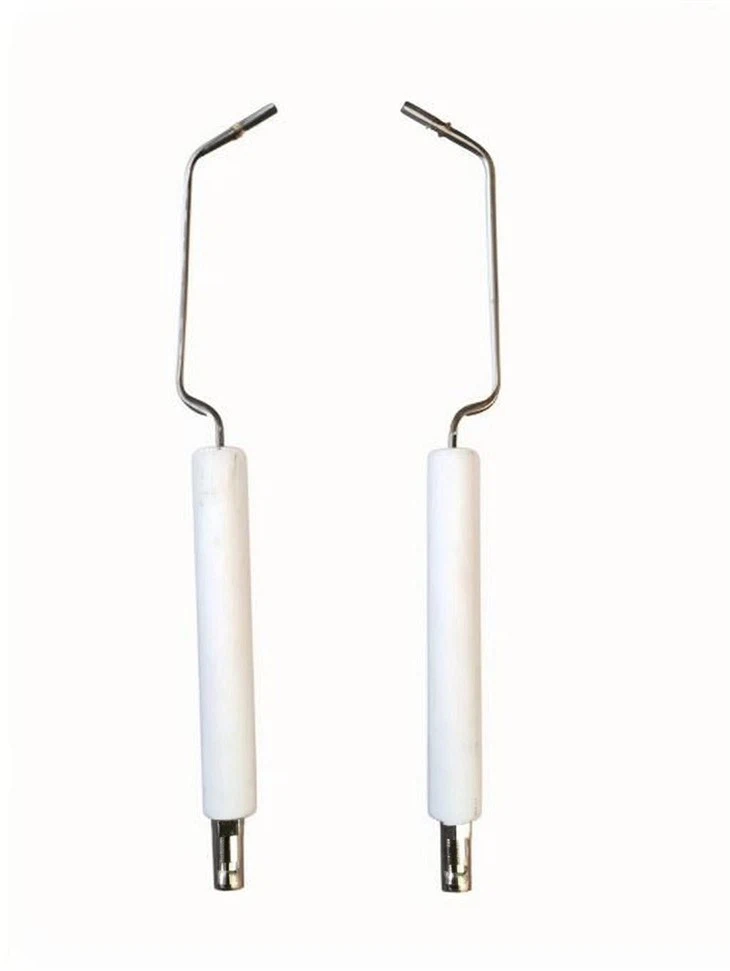
If you are experiencing problems with your incinerator spares or need assistance with troubleshooting, please don't hesitate to contact us. Our team of experts is available to answer your questions and provide you with the support and guidance you need to keep your incinerator running smoothly.
References
- "Incinerator Operation and Maintenance Manual," Manufacturer's Documentation
- "Troubleshooting Guide for Incinerators," Industry Best Practices
- "Environmental Regulations for Incinerators," Government Agencies