

When it comes to the installation of incinerator spares, space requirements are a critical factor that often gets overlooked. As a trusted Incinerator Spares supplier, I've witnessed firsthand how proper space planning can make or break the performance and longevity of these essential components. In this blog, we'll delve into the key space-related installation requirements for incinerator spares, ensuring you have all the information you need for a successful installation.
Understanding the Basics of Incinerator Spares
Before we dive into the space requirements, let's briefly touch on what incinerator spares are and why they're so important. Incinerator spares encompass a wide range of components, including Burner Ignition Electrode, Marine Boiler Flame Scanner, and Marine Boiler Water Level Gauge. These parts play a crucial role in the efficient and safe operation of incinerators, whether they're used in industrial settings, waste management facilities, or marine vessels.
Adequate Clearance Around the Incinerator
One of the primary space requirements for installing incinerator spares is ensuring there's adequate clearance around the incinerator itself. This clearance serves several important purposes. Firstly, it allows for proper ventilation, which is essential for preventing overheating and ensuring the efficient combustion of waste. Without sufficient ventilation, the incinerator may not operate at its optimal temperature, leading to incomplete combustion and potentially harmful emissions.
Secondly, clearance around the incinerator provides easy access for maintenance and repair. Technicians need enough space to move around the incinerator, remove and replace spares, and conduct routine inspections. This access is crucial for minimizing downtime and ensuring the incinerator remains in good working condition.
As a general rule of thumb, there should be at least 3 feet of clearance on all sides of the incinerator. However, this may vary depending on the size and type of the incinerator, as well as local safety regulations. It's always best to consult the manufacturer's guidelines and local building codes to determine the exact clearance requirements for your specific incinerator.
Space for Spare Parts Storage
In addition to clearance around the incinerator, you'll also need to allocate space for storing incinerator spares. Having a well-organized storage area ensures that you have easy access to the parts you need when they're required, reducing downtime in the event of a breakdown.
When planning your storage space, consider the following factors:
- Size and Quantity: The amount of space you'll need will depend on the size and quantity of the spares you plan to store. Make a list of the most commonly replaced parts and estimate the space required for each item.
- Protection from Damage: Spares should be stored in a clean, dry environment to prevent damage from moisture, dust, and other contaminants. Consider using shelves, cabinets, or storage bins to keep the parts organized and protected.
- Accessibility: The storage area should be easily accessible to maintenance personnel. This may involve placing the spares in a location that's close to the incinerator or using a system for quickly retrieving the parts when needed.
Installation Space for Specific Spares
Different incinerator spares have their own unique space requirements for installation. Let's take a closer look at some of the most common spares and the space considerations for each:
Burner Ignition Electrode
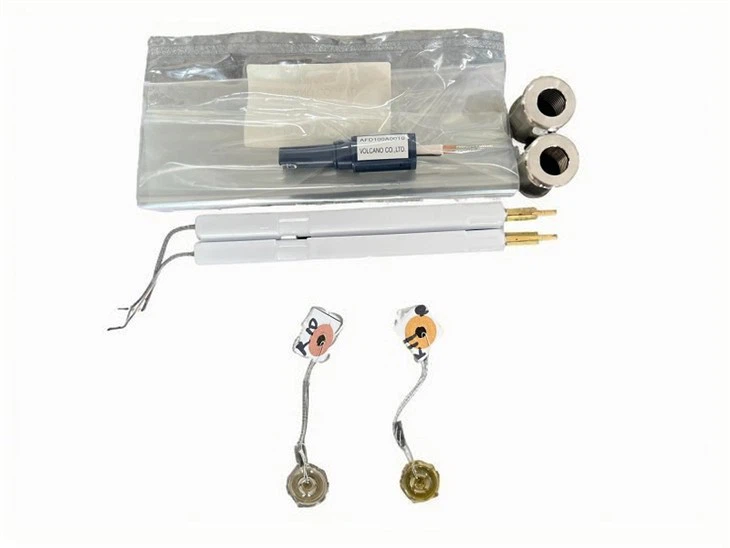
The Burner Ignition Electrode is a critical component of the incinerator's burner system. It's responsible for igniting the fuel-air mixture, ensuring a reliable start-up and continuous operation of the burner.
When installing a burner ignition electrode, you'll need to ensure there's enough space for proper alignment and adjustment. The electrode should be positioned at the correct distance from the burner nozzle to ensure efficient ignition. This may require some trial and error during the installation process, so make sure there's enough space for the technician to make these adjustments.
Additionally, the ignition electrode should be installed in a location that's protected from heat and direct flame. Excessive heat can damage the electrode, reducing its lifespan and potentially causing ignition problems. Make sure there's sufficient clearance between the electrode and other hot components of the burner system.
Marine Boiler Flame Scanner
The Marine Boiler Flame Scanner is used to monitor the flame in the incinerator's boiler. It detects the presence of a flame and sends a signal to the control system, which can shut down the burner if the flame is lost.
When installing a marine boiler flame scanner, you'll need to ensure it's positioned in a location where it can accurately detect the flame. This may require drilling a hole in the boiler wall or using a mounting bracket to secure the scanner in place. Make sure there's enough space around the scanner for installation and maintenance, and that it's protected from heat and other environmental factors.
Marine Boiler Water Level Gauge
The Marine Boiler Water Level Gauge is used to monitor the water level in the incinerator's boiler. Maintaining the correct water level is crucial for the safe and efficient operation of the boiler, as low water levels can cause overheating and damage to the boiler tubes.
When installing a marine boiler water level gauge, you'll need to ensure it's installed at the correct height and angle to provide an accurate reading of the water level. This may require some adjustment during the installation process, so make sure there's enough space for the technician to make these changes. Additionally, the gauge should be easily visible from the control panel or operator's station, so consider the line of sight when choosing the installation location.
Compliance with Local Regulations
Finally, it's important to note that space requirements for installing incinerator spares may be subject to local regulations. These regulations are in place to ensure the safety of the installation, as well as the protection of the environment and public health.

Before installing any incinerator spares, make sure you're familiar with the local building codes, fire safety regulations, and environmental requirements. This may involve obtaining permits, conducting inspections, or following specific installation procedures. Failure to comply with these regulations can result in fines, penalties, or even the shutdown of your incinerator.
Conclusion
In conclusion, proper space planning is essential for the successful installation of incinerator spares. By ensuring adequate clearance around the incinerator, allocating space for spare parts storage, and considering the specific space requirements for each spare, you can ensure the efficient and safe operation of your incinerator.
As a leading Incinerator Spares supplier, we're committed to providing high-quality parts and expert advice to help you meet your installation needs. If you have any questions or need assistance with choosing the right spares for your incinerator, please don't hesitate to contact us. Our team of experienced professionals is here to help you every step of the way.
References
- Manufacturer's guidelines for incinerator and spare parts installation
- Local building codes and safety regulations
- Industry standards for incinerator operation and maintenance