

Hey there! As a supplier of aux boilers, I've seen firsthand how crucial it is to follow safety precautions when dealing with these pieces of equipment. Auxiliary boilers, or aux boilers for short, are used in various industries, especially in marine applications, to provide steam for heating, power generation, and other essential functions. But they can also be dangerous if not handled properly. So, let's dive into the safety precautions you need to know.
1. Pre - Startup Checks
Before you even think about starting up an aux boiler, there are a bunch of checks you gotta do. First off, inspect the boiler's physical condition. Look for any signs of damage, like cracks in the boiler shell or leaks in the pipes. A small crack can turn into a big problem real fast, leading to steam or water leaks that can cause burns or other injuries.
Next, check the water level. You need to make sure there's enough water in the boiler. If the water level gets too low, the boiler can overheat, which might result in a catastrophic failure. That's why having a reliable Marine Boiler Water Level Gauge is so important. It helps you keep an eye on the water level at all times.
Also, examine the fuel system. Check for any fuel leaks around the fuel lines, valves, and pumps. Fuel leaks can be a fire hazard, and you definitely don't want that. Make sure the fuel filters are clean and the fuel supply is adequate.
2. Combustion Safety
The combustion process in an aux boiler is a critical area where safety precautions are a must. One of the key components here is the flame scanner. A Marine Boiler Flame Scanner is used to detect the presence of a flame in the burner. If the flame goes out unexpectedly, the scanner should trigger the safety shutdown system to prevent unburned fuel from entering the combustion chamber.
You also need to monitor the air - fuel ratio. A proper air - fuel ratio is essential for efficient and safe combustion. If there's too much fuel and not enough air, you'll get incomplete combustion, which can lead to the formation of carbon monoxide, a deadly gas. On the other hand, too much air can waste fuel and reduce the boiler's efficiency.
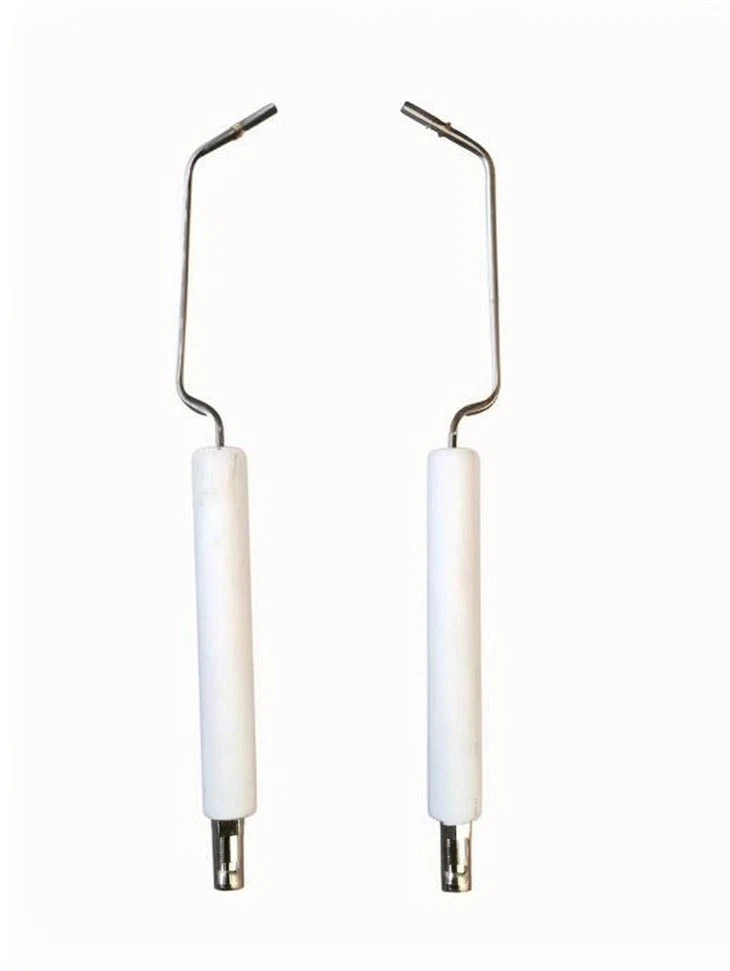

Regularly clean the burner nozzles and inspect them for any blockages or damage. A clogged or damaged nozzle can disrupt the fuel spray pattern, affecting the combustion process and potentially causing problems.
3. Pressure Safety
Aux boilers operate under pressure, and that pressure needs to be carefully controlled. Install pressure relief valves to protect the boiler from over - pressurization. These valves are designed to open automatically when the pressure inside the boiler exceeds a safe limit, releasing excess steam and preventing a potential explosion.
You should also have a pressure gauge installed to monitor the boiler pressure at all times. Keep an eye on the pressure readings during operation. If you notice any sudden or abnormal changes in pressure, shut down the boiler immediately and investigate the cause.
Regularly test the pressure relief valves to make sure they're working properly. This can involve a simple visual inspection and sometimes a more in - depth pressure test.
4. Electrical Safety
Many aux boilers have electrical components, such as pumps, motors, and control systems. When working on or around these electrical parts, you need to follow strict electrical safety protocols.
First, make sure the power is turned off before performing any maintenance or inspection on the electrical components. Use a voltage tester to confirm that there's no electrical current present.
Inspect the electrical wiring for any signs of damage, like frayed wires or loose connections. Damaged wiring can cause short circuits, electrical shocks, or even fires.
If you're not an experienced electrician, don't attempt to work on the electrical system yourself. Always hire a qualified professional to handle electrical repairs and maintenance.
5. Maintenance and Inspection
Regular maintenance and inspection are key to keeping an aux boiler safe. Develop a maintenance schedule and stick to it. This should include tasks like cleaning the boiler tubes, checking the insulation, and lubricating moving parts.
During inspections, look for any signs of wear and tear. Replace any worn - out parts promptly. For example, if you notice that the gaskets are starting to deteriorate, replace them before they cause a leak.
Keep records of all maintenance and inspection activities. This can help you track the boiler's performance over time and identify any recurring issues.
6. Operator Training
Last but not least, proper operator training is essential. Operators should be trained on how to start and stop the boiler safely, how to monitor its operation, and what to do in case of an emergency.
They should also be familiar with all the safety features of the boiler, such as the pressure relief valves, flame scanners, and shutdown systems. Make sure operators know how to respond to different types of alarms and how to perform basic troubleshooting.
Regular refresher courses can help keep operators up - to - date with the latest safety procedures and best practices.
Conclusion
As an aux boiler supplier, I know that safety is the top priority. By following these safety precautions, you can minimize the risks associated with operating an aux boiler and ensure its reliable and efficient performance. Whether you're in the marine industry or any other sector that uses aux boilers, taking these steps will help protect your equipment, your employees, and your business.
If you're in the market for an aux boiler or need any spare parts like Incinerator Spares, don't hesitate to reach out. We're here to help you find the right solutions for your needs. Contact us to start a purchase negotiation and get the best products and services for your aux boiler requirements.
References
- ASME Boiler and Pressure Vessel Code
- International Maritime Organization (IMO) regulations for marine boilers
- Manufacturer's manuals for aux boilers and related equipment