

Hey there! As a supplier of auxiliary boilers (aux boilers), I've seen firsthand how crucial water level control is for these systems. In this blog, I'll walk you through the different water level control methods for an aux boiler, so you can keep your equipment running smoothly.
Why Water Level Control Matters
Before we dive into the methods, let's talk about why water level control is so important. An aux boiler is a key component in many industrial and marine applications. It provides steam for various processes, such as heating, power generation, and even propulsion in some cases.
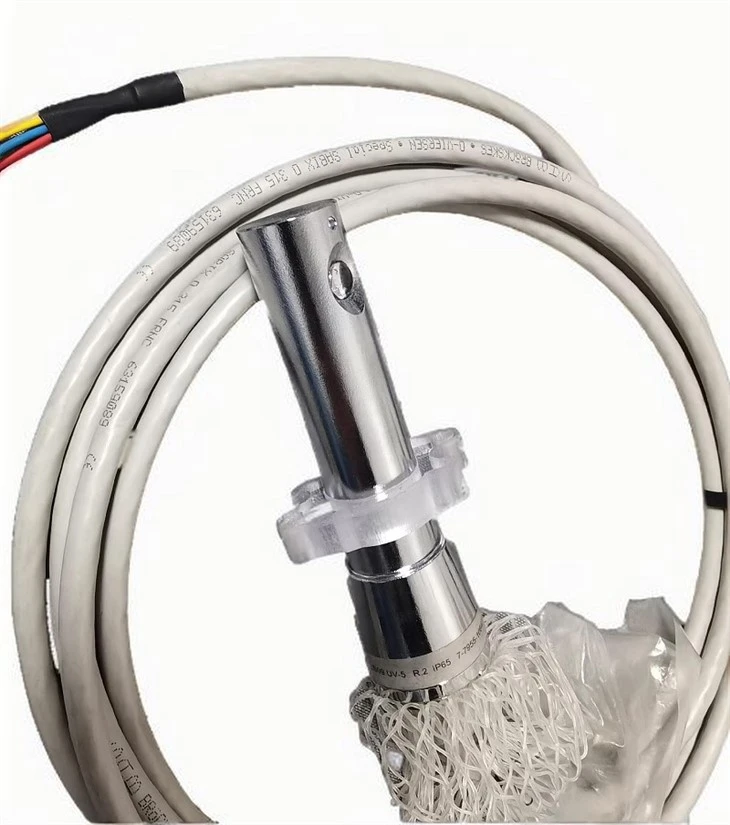

If the water level in the boiler is too low, it can lead to overheating of the boiler tubes. This can cause the tubes to warp, crack, or even rupture, which is not only dangerous but also very expensive to repair. On the other hand, if the water level is too high, it can result in carryover of water into the steam lines. This can damage downstream equipment, reduce the efficiency of the steam system, and cause other operational issues.
Manual Water Level Control
The simplest method of water level control is manual control. This involves an operator visually inspecting the water level in the boiler using a sight glass. Based on what they see, they manually open or close a valve to add or remove water from the boiler.
Manual control is relatively inexpensive and easy to understand. However, it has several drawbacks. First of all, it relies on the operator being present and vigilant at all times. If the operator is distracted or makes a mistake, it can lead to serious problems. Also, manual control is not very accurate, especially in large or complex boiler systems.
Float-Operated Controls
Float-operated controls are one of the most common methods of water level control in aux boilers. These controls use a float that rises and falls with the water level in the boiler. The float is connected to a valve or a switch, which opens or closes to control the flow of water into the boiler.
There are two main types of float-operated controls: direct-acting and indirect-acting. Direct-acting float controls are simple and reliable. The float is directly connected to the valve, so when the water level drops, the float goes down and opens the valve to let water in. When the water level rises, the float goes up and closes the valve.
Indirect-acting float controls use a float to operate a switch, which then controls a solenoid valve or a motorized valve. This type of control is more suitable for larger boilers or systems where a higher degree of accuracy is required.
Float-operated controls are relatively inexpensive and easy to install. They are also quite reliable, as long as the float and the associated components are properly maintained. However, they can be affected by factors such as sediment buildup in the boiler, which can cause the float to stick or malfunction.
Conductivity Probes
Conductivity probes are another popular method of water level control. These probes work by measuring the electrical conductivity of the water in the boiler. Water is a conductor of electricity, and the conductivity changes depending on the water level.
The probes are usually installed at different levels in the boiler. When the water level reaches a probe, the electrical conductivity between the probe and a reference electrode changes, and this change is detected by a control unit. The control unit then sends a signal to open or close a valve to adjust the water level.
Conductivity probes are very accurate and can provide a high level of control. They are also less affected by sediment or other contaminants in the water compared to float-operated controls. However, they can be more expensive to install and require more maintenance. The probes need to be cleaned regularly to ensure accurate readings, and they can be damaged by high temperatures or aggressive chemicals in the water.
Differential Pressure Transmitters
Differential pressure transmitters are used in more advanced water level control systems. These transmitters measure the difference in pressure between two points in the boiler - one at the water level and one at a reference point.
The pressure difference is proportional to the water level in the boiler. The transmitter converts this pressure difference into an electrical signal, which is sent to a control unit. The control unit then uses this signal to control the flow of water into the boiler.
Differential pressure transmitters are very accurate and can provide continuous monitoring of the water level. They are also suitable for use in boilers with high pressures or temperatures. However, they are more complex and expensive than other control methods. They require careful calibration and maintenance to ensure accurate operation.
Choosing the Right Water Level Control Method
When choosing a water level control method for an aux boiler, there are several factors to consider. The size and type of the boiler are important. Smaller boilers may be able to use simpler control methods, such as float-operated controls, while larger or more complex boilers may require more advanced methods, such as differential pressure transmitters.
The operating conditions of the boiler also play a role. If the boiler is used in a harsh environment, with high temperatures, high pressures, or aggressive chemicals, a more robust control method may be needed. The level of accuracy required for the water level control is another factor. Some applications may require very precise control, while others can tolerate a certain degree of variation.
Cost is also an important consideration. You need to balance the initial cost of the control system with the long-term benefits and savings. A more expensive control system may provide better performance and reliability, but it may also have a higher upfront cost.
Related Spares and Components
As an aux boiler supplier, we also offer a range of spares and components to keep your boiler running smoothly. For example, we have Incinerator Spares that are essential for the proper operation of the incinerator in your boiler system. These spares are designed to meet the highest quality standards and ensure reliable performance.
We also supply Burner Ignition Electrodes, which are crucial for starting the burner in your aux boiler. A faulty ignition electrode can cause problems with ignition, leading to inefficient operation or even system shutdown. Our ignition electrodes are made from high-quality materials and are designed to provide long-lasting performance.
Another important component is the Marine Boiler Flame Scanner. This scanner monitors the flame in the boiler and ensures that it is burning properly. If the flame goes out or becomes unstable, the scanner sends a signal to the control system to shut down the burner, preventing potential safety hazards.
Contact Us for Your Aux Boiler Needs
If you're in the market for an aux boiler or need help with water level control or any other aspect of your boiler system, don't hesitate to get in touch. We have a team of experts who can provide you with the right advice and solutions for your specific needs. Whether you're looking for a new boiler, replacement parts, or just some technical support, we're here to help. Contact us today to start the conversation and let's work together to keep your boiler running at its best.
References
- "Boiler Operation Handbook"
- "Industrial Boiler Systems: Design, Operation, and Maintenance"