

Hey there! As a supplier of aux boilers, I've been in the thick of the heating systems game for quite some time. I often get asked how an aux boiler stacks up against other heating systems. Well, let's dive right in and break it down.
First off, what exactly is an aux boiler? Auxiliary boilers, or aux boilers for short, are secondary boilers that provide additional steam or hot water. They're commonly used in ships, industrial plants, and large buildings to support the main heating or power generation systems.
Let's start by comparing aux boilers to traditional central heating systems, like those you might find in a regular home. Central heating systems usually rely on a furnace or a boiler that heats water, which is then circulated through pipes to radiators or under - floor heating systems. These systems are great for small to medium - sized spaces. They're relatively easy to install and maintain, and they can be controlled quite precisely using thermostats.

However, when it comes to larger spaces or applications where a continuous supply of steam or hot water is needed, aux boilers have the upper hand. For example, in a marine environment, a ship needs a reliable source of steam for various functions, such as heating, powering auxiliary equipment, and even for some cooking operations. An aux boiler can be designed to meet these specific demands. It can operate continuously, providing a stable supply of steam even under harsh conditions.
Another advantage of aux boilers is their flexibility. They can be fueled by different types of energy sources, including oil, gas, and even waste heat. This is a big plus, especially in areas where the availability of a particular fuel source might be limited. In contrast, many central heating systems are designed to use a single type of fuel, usually natural gas or oil. If there's a disruption in the fuel supply, these systems can be rendered useless.
Now, let's talk about efficiency. Modern aux boilers are incredibly efficient. They're designed with advanced combustion technology that ensures complete burning of the fuel, which in turn reduces waste and saves energy. This is not always the case with some older central heating systems, which might have lower efficiency ratings due to outdated technology.
But it's not all sunshine and roses for aux boilers. They do have some drawbacks when compared to other heating systems. One of the main issues is the initial cost. Aux boilers are more expensive to purchase and install than a standard central heating system. This is because they're often custom - designed for specific applications and require more complex installation procedures.
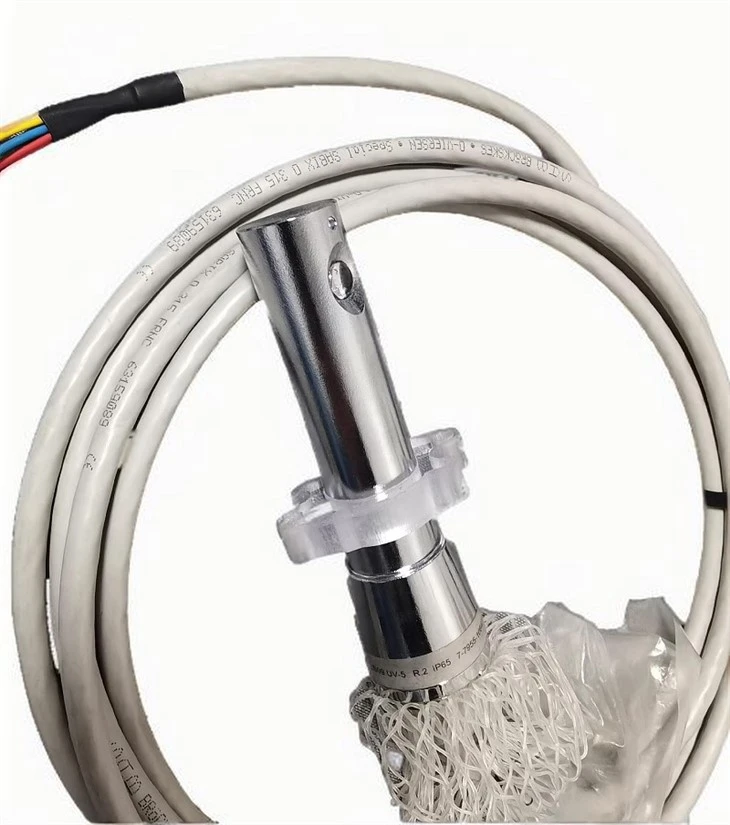
Maintenance is also a factor. Aux boilers need regular and specialized maintenance to ensure they operate safely and efficiently. This can involve tasks such as checking the Marine Boiler Flame Scanner, which monitors the flame in the boiler to prevent dangerous situations, and the Marine Boiler Water Level Gauge, which is crucial for maintaining the correct water level in the boiler. These components need to be inspected and serviced regularly, adding to the overall cost of ownership.
When compared to electric heating systems, aux boilers have both advantages and disadvantages. Electric heating systems are very simple to install and operate. You just plug them in, and they start heating. They also don't produce any emissions on - site, which is great for the environment. However, electricity can be quite expensive, especially in areas where the cost of power generation is high. Aux boilers, on the other hand, can use cheaper fuel sources, which can result in lower operating costs in the long run.
In industrial settings, aux boilers are often preferred over other heating systems because of their ability to handle high - pressure and high - temperature requirements. For example, in a chemical plant, a process might require steam at a very high temperature and pressure. An aux boiler can be designed to meet these exact specifications, while other heating systems might not be able to deliver the same level of performance.
Now, let's touch on incinerators, which are another type of heating system in a way. Incinerators are used to burn waste materials and generate heat. They can be a good option for waste management and energy recovery. However, they also have their limitations. Incinerators need proper ventilation and emission control systems to prevent pollution. And when it comes to spare parts, Incinerator Spares can be hard to find and expensive. Aux boilers, on the other hand, are more standardized in terms of parts, and as a supplier, I can offer a wide range of spare parts at reasonable prices.
So, in conclusion, an aux boiler has its unique set of advantages and disadvantages when compared to other heating systems. It's a great choice for applications that require a continuous, reliable supply of steam or hot water, especially in large - scale or specialized settings. While it might have a higher initial cost and require more maintenance, the long - term benefits in terms of efficiency and performance can outweigh these drawbacks.
If you're in the market for a heating system and think an aux boiler might be the right fit for your needs, I'd love to have a chat with you. Whether you're in the marine industry, an industrial plant, or a large building project, I can provide you with the expertise and products you need. Don't hesitate to reach out and start a conversation about your heating requirements.
References
- Smith, J. (2020). Heating Systems: A Comparative Analysis. Journal of Energy and Heating.
- Johnson, R. (2019). Auxiliary Boilers in Marine Applications. Marine Engineering Review.
- Brown, A. (2021). Efficiency of Modern Heating Systems. Energy Efficiency Magazine.