

Hey there! As a marine valve supplier, I've seen my fair share of dirty and clogged marine sampling valves. Cleaning these valves is super important to keep them working well and to get accurate samples. So, I'm gonna share with you how to clean a marine sampling valve step by step.
Why Cleaning is a Big Deal
First off, let's talk about why cleaning a marine sampling valve matters. Over time, all sorts of gunk like sediment, algae, and rust can build up inside the valve. This not only messes with the valve's performance but also can lead to inaccurate sampling results. And in the marine industry, accurate data is key for making smart decisions.
What You'll Need
Before you start cleaning, gather these tools and supplies:
- A set of basic hand tools like wrenches and screwdrivers.
- A cleaning solution. You can use a mild detergent or a specialized valve cleaner.
- A soft-bristled brush for scrubbing.
- Clean, fresh water for rinsing.
- Protective gear such as gloves and safety glasses.
Step 1: Shut Down and Isolate
Safety first! Before you do anything, make sure to shut down the system that the valve is part of. Then, isolate the valve by closing the upstream and downstream valves. This stops any fluid from flowing through while you're cleaning.
Step 2: Remove the Valve
Using your wrenches and screwdrivers, carefully remove the valve from the pipeline. Be gentle so you don't damage the valve or the pipeline connections. Place the valve on a clean, stable surface where you can work on it easily.
Step 3: Disassemble the Valve
Now, it's time to take the valve apart. Follow the manufacturer's instructions to disassemble it properly. Usually, you'll need to remove the bonnet, stem, and any other internal parts. Keep all the parts organized so you know where they go when you're putting the valve back together.
Step 4: Clean the Parts
Once you've disassembled the valve, it's time to start cleaning. Dip the parts in the cleaning solution and let them soak for a while. This helps to loosen up the dirt and grime. Then, use the soft-bristled brush to scrub each part gently. Pay special attention to the areas with heavy buildup, like the valve seat and the ports.
For stubborn dirt, you might need to use a bit more elbow grease or a stronger cleaning solution. But be careful not to scratch or damage the parts. After scrubbing, rinse each part thoroughly with clean, fresh water to remove any remaining cleaning solution.
Step 5: Inspect the Parts
While the parts are still wet, take a close look at them. Check for any signs of wear, damage, or corrosion. If you find any parts that are severely damaged, you might need to replace them. It's better to replace a worn-out part now than to have the valve fail later.
Step 6: Reassemble the Valve
Once you're satisfied that all the parts are clean and in good condition, it's time to put the valve back together. Follow the disassembly steps in reverse order. Make sure to lubricate the moving parts with a suitable lubricant to ensure smooth operation.

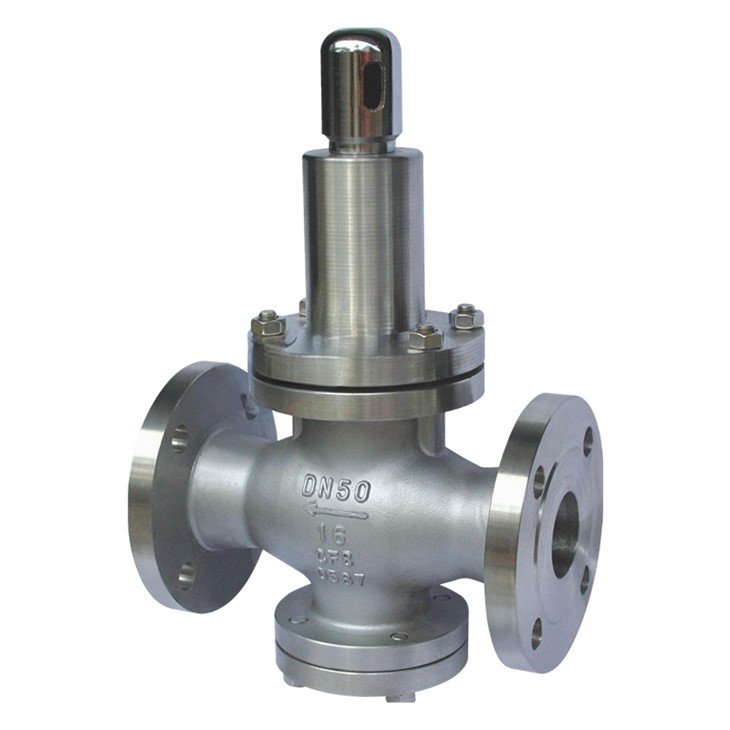
Step 7: Install the Valve
After reassembling the valve, install it back into the pipeline. Use the wrenches and screwdrivers to tighten the connections securely. But don't over-tighten, as this can damage the valve or the pipeline.
Step 8: Test the Valve
Once the valve is installed, it's time to test it. Open the upstream and downstream valves slowly and check for any leaks. Then, operate the valve a few times to make sure it's working smoothly. If everything looks good, you're all set!
Other Types of Marine Valves
As a marine valve supplier, we offer a wide range of valves, including Marine Pressure Reduction Valve, Marine Butterfly Valve, and Marine Globe Valve. Each type of valve has its own unique features and applications, but the basic principle of cleaning remains the same.
Conclusion
Cleaning a marine sampling valve is not that complicated if you follow these steps. Regular cleaning and maintenance can extend the life of your valve and ensure accurate sampling results. If you have any questions or need more information about marine valves, feel free to reach out. We're here to help you find the right valve for your needs and provide you with the best service possible. Whether you're looking for a replacement valve or need advice on valve maintenance, don't hesitate to contact us for a purchase and negotiation.
References
- Marine Valve Handbook
- Manufacturer's Instructions for Marine Sampling Valves