

Fatigue is a critical factor that significantly impacts the performance and lifespan of marine wire ropes. As a leading supplier of marine wire ropes, I have witnessed firsthand the various ways in which fatigue can affect these essential components in the maritime industry. In this blog, I will delve into the mechanisms of fatigue in marine wire ropes, its consequences, and how to mitigate its effects.
The Mechanisms of Fatigue in Marine Wire Ropes
Marine wire ropes are constantly subjected to dynamic loading conditions in their operational environment. These loads can come from a variety of sources, such as the movement of ships, the lifting and lowering of heavy equipment, and the action of waves and currents. When a wire rope is repeatedly loaded and unloaded, it experiences cyclic stress, which can lead to fatigue.
One of the primary mechanisms of fatigue in marine wire ropes is the formation and propagation of cracks. As the wire rope is subjected to cyclic stress, small cracks can initiate at the surface of the wires. These cracks can then propagate through the wire under continued loading, eventually leading to wire breakage. Another mechanism is the wear and abrasion of the wires. The constant rubbing and friction between the wires and other components, such as sheaves and drums, can cause the surface of the wires to wear down, reducing their cross-sectional area and increasing the stress concentration at the worn areas. This can accelerate the fatigue process and lead to premature failure of the wire rope.
In addition to mechanical factors, environmental conditions also play a significant role in the fatigue of marine wire ropes. The corrosive nature of seawater can cause the wires to rust and corrode, weakening their structure and reducing their resistance to fatigue. The presence of contaminants, such as sand and debris, can also increase the wear and abrasion of the wires, further exacerbating the fatigue problem.
Consequences of Fatigue in Marine Wire Ropes
The consequences of fatigue in marine wire ropes can be severe. Premature failure of a wire rope can lead to costly downtime, as well as pose a significant safety risk to personnel and equipment. In the case of a lifting operation, a broken wire rope can cause the load to fall, resulting in damage to the cargo, the vessel, and potentially causing injury or loss of life.
Fatigue can also reduce the efficiency of marine operations. As the wire rope becomes more fatigued, its strength and flexibility decrease, making it more difficult to handle and operate. This can lead to increased energy consumption and reduced productivity, as well as increased maintenance costs.
Mitigating the Effects of Fatigue in Marine Wire Ropes
As a supplier of marine wire ropes, I understand the importance of mitigating the effects of fatigue to ensure the safety and reliability of our products. There are several strategies that can be employed to reduce the impact of fatigue on marine wire ropes.
Proper Selection of Wire Ropes: Choosing the right type of wire rope for the specific application is crucial. Factors such as the load capacity, the operating environment, and the frequency of use should all be considered when selecting a wire rope. For example, in applications where the wire rope is subjected to high levels of abrasion, a wire rope with a higher resistance to wear should be chosen.
Regular Inspection and Maintenance: Regular inspection and maintenance of marine wire ropes are essential to detect and address any signs of fatigue early on. Inspections should include visual checks for signs of wear, corrosion, and wire breakage, as well as non-destructive testing methods, such as magnetic particle inspection and ultrasonic testing, to detect internal defects. Maintenance activities, such as lubrication and cleaning, can also help to reduce the wear and corrosion of the wires and extend the lifespan of the wire rope.
Proper Installation and Use: Correct installation and use of marine wire ropes are also important to prevent fatigue. The wire rope should be installed according to the manufacturer's instructions, with proper tensioning and alignment. During use, the wire rope should be operated within its design limits, avoiding overloading and sudden shock loads.
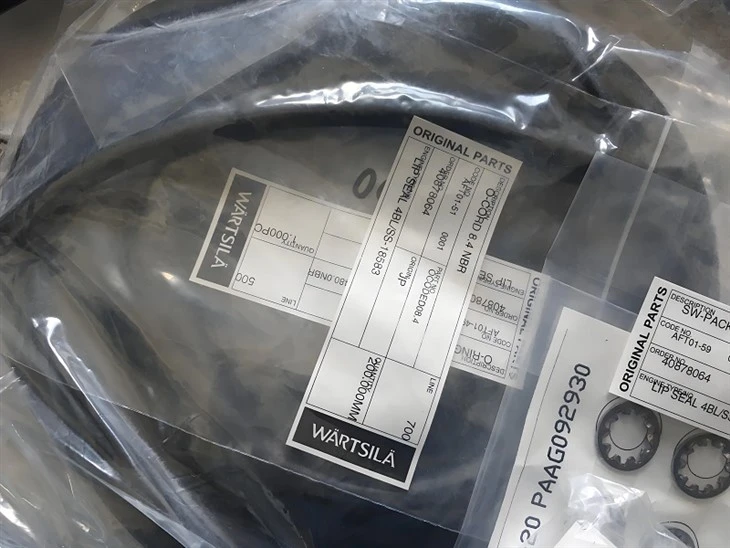
Use of Protective Measures: In some cases, the use of protective measures can help to reduce the impact of fatigue on marine wire ropes. For example, the use of Marine Smoke Detector can help to detect and prevent fires, which can cause damage to the wire rope. The use of Mgps & Iccp can help to protect the wire rope from corrosion, while the use of Stern Tube Sealing Rings can help to prevent the ingress of water and contaminants, reducing the wear and abrasion of the wires.

Conclusion
Fatigue is a significant factor that affects the performance and lifespan of marine wire ropes. As a supplier of marine wire ropes, I am committed to providing our customers with high-quality products and solutions that can withstand the harsh conditions of the maritime environment. By understanding the mechanisms of fatigue in marine wire ropes, its consequences, and how to mitigate its effects, we can help our customers to ensure the safety and reliability of their marine operations.
If you are in the market for marine wire ropes or have any questions about fatigue and its impact on wire ropes, please do not hesitate to contact us. We would be happy to discuss your specific needs and provide you with the best solutions for your application.
References
- "Marine Engineering Handbook" by C. J. Bartlett
- "Wire Rope Technology" by A. M. Walker
- "Corrosion in the Marine Environment" by P. R. Roberge