

Determining the duty point of a marine pump is a critical process that ensures the pump operates efficiently and effectively in marine applications. As a marine pump supplier, we understand the importance of accurately identifying the duty point to meet the specific requirements of our customers. In this blog post, we will explore the key factors and steps involved in determining the duty point of a marine pump.
Understanding the Duty Point
The duty point of a pump is defined by two main parameters: flow rate (Q) and total head (H). Flow rate refers to the volume of fluid that the pump can deliver per unit of time, typically measured in cubic meters per hour (m³/h) or gallons per minute (GPM). Total head, on the other hand, represents the energy required to move the fluid from the suction side to the discharge side of the pump, taking into account factors such as elevation, friction losses, and pressure differences.
In marine applications, the duty point is determined by the specific requirements of the system in which the pump will be installed. For example, in a ballast water management system, the pump may need to deliver a certain flow rate of water to fill or empty the ballast tanks within a specified time frame. In a fire-fighting system, the pump must be capable of providing a sufficient flow rate and pressure to extinguish fires effectively.
Factors Affecting the Duty Point
Several factors can influence the duty point of a marine pump, including:
System Requirements
The first step in determining the duty point is to understand the specific requirements of the marine system. This includes factors such as the required flow rate, total head, and operating conditions. For example, in a cooling water system, the pump may need to deliver a constant flow rate to maintain the temperature of the engine or other equipment. In a bilge pumping system, the pump may need to handle varying flow rates depending on the amount of water in the bilge.
Fluid Properties
The properties of the fluid being pumped, such as density, viscosity, and temperature, can also affect the duty point of the pump. For example, a pump that is designed to handle water may not perform as efficiently when pumping a viscous fluid such as oil. In addition, changes in fluid temperature can affect the viscosity and density of the fluid, which in turn can impact the pump's performance.
Pipe System Characteristics
The characteristics of the pipe system, including the length, diameter, and roughness of the pipes, as well as the number and type of fittings, can also influence the duty point of the pump. Friction losses in the pipes and fittings can increase the total head required by the pump, which may require a higher flow rate or a more powerful pump to achieve the desired performance.
Pump Performance Curve
Each pump has a unique performance curve that shows the relationship between the flow rate and total head at different operating conditions. The performance curve is typically provided by the pump manufacturer and can be used to select the appropriate pump for a specific application. By comparing the system requirements with the pump performance curve, it is possible to determine the duty point at which the pump will operate most efficiently.
Steps to Determine the Duty Point
The following steps can be used to determine the duty point of a marine pump:
Step 1: Define the System Requirements
The first step is to clearly define the specific requirements of the marine system, including the required flow rate, total head, and operating conditions. This information can be obtained from the system design specifications, equipment manufacturers, or other relevant sources.
Step 2: Calculate the Total Head
Once the system requirements have been defined, the next step is to calculate the total head required by the pump. This involves considering factors such as the elevation difference between the suction and discharge points, friction losses in the pipes and fittings, and any additional pressure requirements. The total head can be calculated using the following formula:
H = Hs + Hd + Hf + Hm
Where:
- H is the total head (m)
- Hs is the static head (m), which is the elevation difference between the suction and discharge points
- Hd is the dynamic head (m), which is the pressure difference between the suction and discharge points
- Hf is the friction head (m), which is the head loss due to friction in the pipes and fittings
- Hm is the minor head (m), which is the head loss due to other factors such as valves, bends, and contractions
Step 3: Select the Pump
Based on the calculated total head and the required flow rate, the next step is to select a pump that is capable of meeting the system requirements. This involves referring to the pump performance curves provided by the manufacturer and selecting a pump that operates within the desired range of flow rate and total head. It is important to select a pump that is slightly oversized to account for any future changes in the system requirements or operating conditions.

Step 4: Verify the Duty Point
Once a pump has been selected, it is important to verify the duty point to ensure that the pump will operate efficiently and effectively in the marine system. This can be done by conducting a pump test or by using a pump performance simulation software. The duty point can be verified by measuring the actual flow rate and total head at the pump discharge and comparing these values with the calculated values.
Step 5: Optimize the System
If the duty point of the pump does not match the system requirements, it may be necessary to optimize the system to improve the pump's performance. This can involve adjusting the pipe system, changing the pump speed, or selecting a different pump. By optimizing the system, it is possible to reduce energy consumption, improve pump efficiency, and extend the life of the pump.
Importance of Accurately Determining the Duty Point
Accurately determining the duty point of a marine pump is essential for several reasons:
Efficiency
By operating the pump at the correct duty point, it is possible to achieve maximum efficiency and reduce energy consumption. This can result in significant cost savings over the life of the pump.
Reliability
Operating the pump at the correct duty point can also improve its reliability and reduce the risk of premature failure. This can help to minimize downtime and maintenance costs.
Performance
Accurately determining the duty point ensures that the pump will provide the required flow rate and pressure to meet the specific requirements of the marine system. This can help to ensure the safe and efficient operation of the system.
Our Marine Pump Products
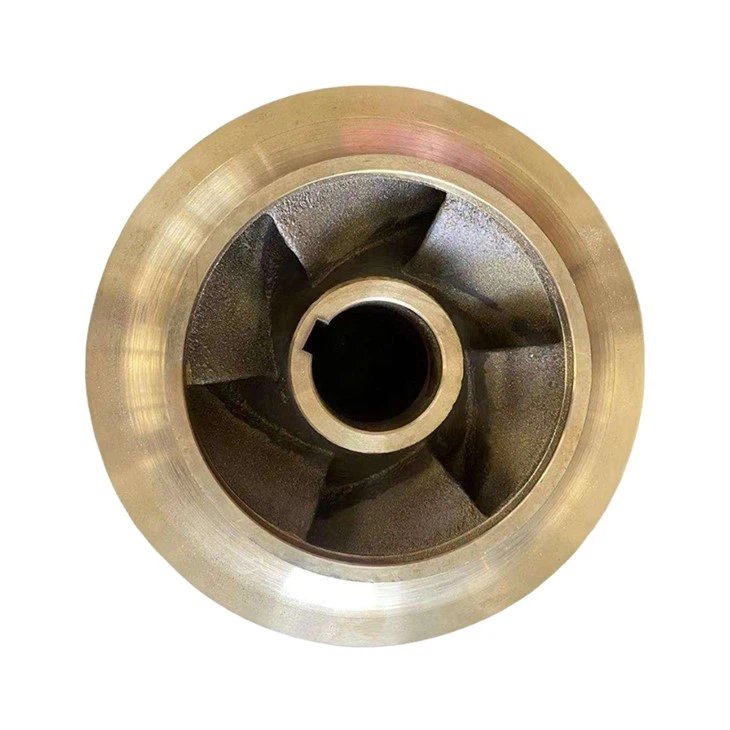
As a marine pump supplier, we offer a wide range of high-quality marine pumps that are designed to meet the specific requirements of our customers. Our products include Marine Pump Complete, Marine Pump Impeller, and Marine Pump Shaft. Our pumps are manufactured using the latest technology and materials to ensure reliable performance and long service life.
Contact Us for Procurement
If you are in need of a marine pump for your application, we encourage you to contact us for procurement. Our team of experts can help you determine the duty point of your pump and select the appropriate product to meet your specific requirements. We offer competitive pricing, excellent customer service, and fast delivery times. Contact us today to discuss your marine pump needs.
References
- Pump Handbook, Karassik, I. J., Messina, J. P., Cooper, P. T., & Heald, C. C. (2008).
- Marine Engineering Handbook, Larsson, L., & Eliasson, L. (2011).
- Fluid Mechanics, White, F. M. (2016).