

What are the anti - corrosion treatments for marine pump impellers?
Hey there! I'm a supplier of Marine Pump Impellers, and I know how crucial it is for these parts to withstand the harsh marine environment. The salty sea water can be a real enemy to the pump impellers, causing corrosion and reducing their lifespan. So, let's dive into the anti - corrosion treatments for marine pump impellers.
Firstly, choosing the right material is the foundation. Stainless steel is a popular option. It has a high resistance to corrosion because of the chromium content. Chromium forms a passive oxide layer on the surface of the steel, which prevents the metal from reacting with the surrounding water and oxygen. This layer is self - healing, which means if it gets damaged, it can reform as long as there is enough oxygen present. For example, duplex stainless steel has a two - phase microstructure that combines the best properties of austenitic and ferritic stainless steels. It offers excellent strength and corrosion resistance, especially in chloride - rich environments like the sea. You can check out our Marine Pump Impeller products, which are made from high - quality stainless steel.
Another great material is bronze. Bronze is an alloy of copper and tin, and sometimes other elements like nickel or zinc are added. It has a long history of use in marine applications due to its natural resistance to corrosion. The copper in the bronze forms a thin patina on the surface when exposed to seawater. This patina acts as a protective barrier, preventing further corrosion. Moreover, bronze is also relatively easy to machine, which is beneficial for manufacturing the complex shapes of pump impellers.
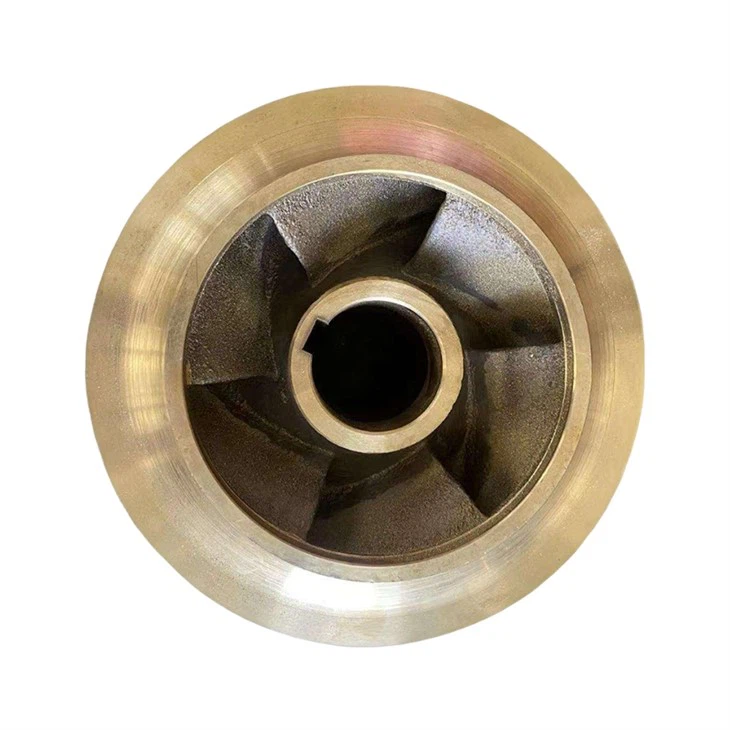

Coating is also a commonly used anti - corrosion treatment. One popular type of coating is epoxy coating. Epoxy coatings are very durable and can provide a good barrier against moisture and chemicals. They can be applied to the surface of the impeller to create a protective layer. Before applying the epoxy coating, the surface of the impeller needs to be properly prepared. This usually involves cleaning and sandblasting to remove any dirt, rust, or old paint. The epoxy coating is then applied in multiple layers to ensure complete coverage.
Ceramic coatings are another option. They offer excellent hardness and wear resistance in addition to corrosion protection. Ceramic coatings can withstand high temperatures and harsh chemical environments. They are also very smooth, which can reduce the friction between the impeller and the fluid, improving the efficiency of the pump. However, ceramic coatings can be more expensive and more difficult to apply compared to epoxy coatings.
Galvanic protection is a smart anti - corrosion method. It involves using a sacrificial anode. The sacrificial anode is made of a more active metal than the impeller. In the marine environment, the sacrificial anode will corrode instead of the impeller. Common metals used for sacrificial anodes include zinc, aluminum, and magnesium. These anodes are electrically connected to the impeller. When they corrode, they release electrons, which flow to the impeller and prevent it from corroding. The sacrificial anodes need to be replaced regularly as they get consumed over time.
Surface treatment processes like passivation can also enhance the anti - corrosion properties of the impeller. Passivation is a chemical treatment that removes free iron from the surface of the stainless steel impeller and forms a more stable oxide layer. This process can improve the resistance of the impeller to corrosion, especially in mildly corrosive environments.
Now, let's talk about the importance of proper maintenance. Even with the best anti - corrosion treatments, regular maintenance is essential. Inspecting the impellers regularly can help detect any early signs of corrosion. If there are any scratches or damage to the protective coatings, they should be repaired immediately. Also, keeping the pumps clean and dry when not in use can reduce the chances of corrosion.
In the marine industry, pumps are used in a variety of applications, from ballasting systems to cooling water systems. Each application may have different requirements for the anti - corrosion treatments of the impellers. For example, pumps in ballasting systems are exposed to seawater for long periods, so they need very high - level corrosion protection. On the other hand, pumps in some auxiliary systems may have relatively less severe corrosion conditions.
As a Marine Pump Impeller supplier, I can provide impellers with different anti - corrosion treatments according to your specific needs. Whether you need impellers for a small fishing boat or a large cruise ship, we can offer the right solutions. And if you're also looking for other marine pump parts, we've got you covered. Check out our Marine Pump Complete and Marine Pump Shaft products as well.
If you're interested in our Marine Pump Impellers or have any questions about anti - corrosion treatments, don't hesitate to get in touch. We're here to help you choose the best products for your marine pump systems. Contact us for a detailed discussion and start the procurement process to get high - quality anti - corrosion pump impellers for your vessels.
References
- ASM Handbook Volume 13: Corrosion - This comprehensive handbook provides in - depth information about different corrosion mechanisms and anti - corrosion methods in various industries, including the marine sector.
- Marine Pump Handbook - A specialized reference that focuses on the design, operation, and maintenance of marine pumps, with specific chapters on protecting pump components from corrosion.