

Hey there, fellow marine enthusiasts! As a supplier of Marine Storm Valves, I've been getting a lot of questions lately about the installation requirements for these crucial pieces of equipment. So, I thought I'd put together a blog post to shed some light on this topic.
First things first, let's talk about what a Marine Storm Valve is and why it's so important. A Marine Storm Valve is a type of valve used on ships to prevent water from entering the vessel during rough weather conditions, such as storms or heavy seas. These valves are typically installed in the ship's hull below the waterline and are designed to open and close automatically in response to changes in water pressure.
Now, let's get into the installation requirements for a Marine Storm Valve. The first thing you need to consider is the location of the valve. The valve should be installed in a location that is easily accessible for maintenance and inspection. It should also be installed in a location that is protected from damage, such as from ice or debris.
When it comes to the actual installation process, there are a few key steps that you need to follow. First, you need to make sure that the valve is properly aligned with the pipe. This is important because misalignment can cause the valve to leak or malfunction. To ensure proper alignment, you can use a alignment tool or a laser level.
Next, you need to install the valve using the appropriate mounting hardware. This typically includes bolts, nuts, and washers. Make sure that the mounting hardware is tightened to the correct torque specifications to prevent leaks.
Once the valve is installed, you need to test it to make sure that it is functioning properly. This can be done by closing the valve and filling the pipe with water. If the valve is working properly, it should prevent the water from flowing through the pipe. You can also test the valve's ability to open and close automatically by applying pressure to the pipe.
In addition to the basic installation requirements, there are a few other things that you need to consider when installing a Marine Storm Valve. For example, you need to make sure that the valve is compatible with the type of pipe that you are using. Different types of pipes have different dimensions and materials, so it's important to choose a valve that is designed to work with your specific type of pipe.
You also need to make sure that the valve is rated for the pressure and temperature conditions that it will be exposed to. Marine Storm Valves are typically designed to operate at high pressures and temperatures, so it's important to choose a valve that is rated for these conditions.
Another important consideration is the maintenance requirements for the valve. Marine Storm Valves require regular maintenance to ensure that they are functioning properly. This includes cleaning the valve, inspecting the seals and gaskets, and lubricating the moving parts. Make sure that you follow the manufacturer's recommended maintenance schedule to keep the valve in good working condition.
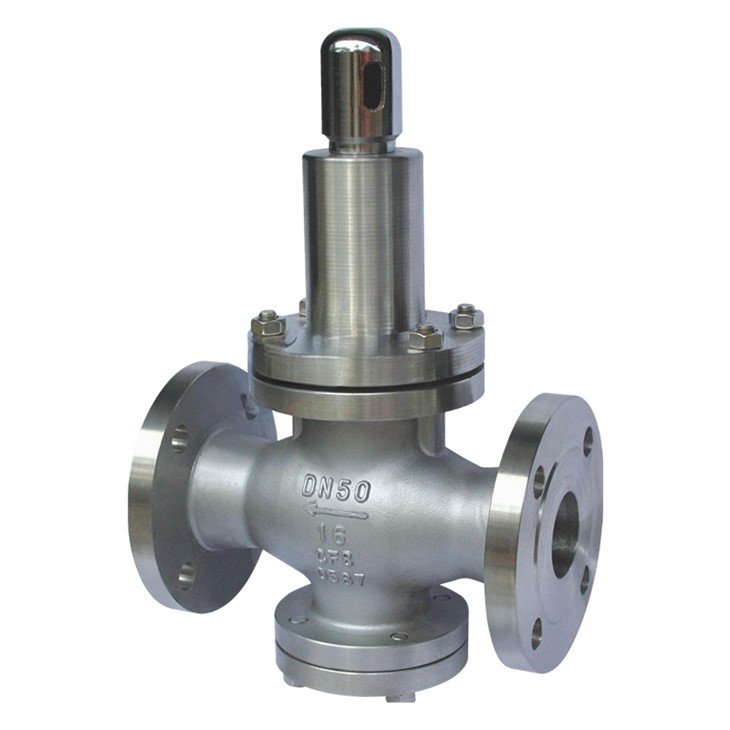
Now, let's talk about some of the other types of valves that are commonly used in the marine industry. One type of valve that you may be interested in is the Marine Pressure Reduction Valve. This type of valve is used to reduce the pressure of the fluid flowing through the pipe. It is typically installed in the ship's piping system to protect the equipment from damage caused by high pressure.
Another type of valve that you may be interested in is the Marine Gate Valve. This type of valve is used to control the flow of fluid through the pipe. It is typically installed in the ship's piping system to isolate different sections of the system for maintenance or repair.
If you're in the market for a Marine Storm Valve or any other type of marine valve, I encourage you to check out our website at Marine Storm Valve. We offer a wide range of high-quality marine valves at competitive prices. Our valves are designed to meet the strictest industry standards and are backed by our commitment to customer satisfaction.
If you have any questions or would like to discuss your specific needs, please don't hesitate to contact us. Our team of experienced professionals is always available to help you find the right valve for your application. We can also provide you with installation and maintenance support to ensure that your valve is functioning properly.
In conclusion, the installation requirements for a Marine Storm Valve are important to consider to ensure that the valve is functioning properly and providing the necessary protection for your vessel. By following the guidelines outlined in this blog post and working with a reputable supplier, you can ensure that your Marine Storm Valve is installed correctly and will provide reliable service for years to come.
References

- Marine Valve Handbook, various industry publications
Thanks for reading! I hope this blog post has been helpful. If you have any other questions or topics that you'd like me to cover, please let me know.