

An auxiliary boiler, often referred to as an aux boiler, is a crucial component in various industrial and marine applications. As a leading aux boiler supplier, I've had the privilege of working closely with these systems, understanding their intricacies, and providing top - notch solutions to our clients. In this blog, I'll delve into the main components of an aux boiler, shedding light on their functions and importance.
1. Boiler Shell
The boiler shell is the outer casing of the aux boiler. It serves as a pressure vessel, containing the water and steam within the system. Constructed from high - quality steel, the shell must be able to withstand high pressures and temperatures. The design of the shell is carefully engineered to ensure safety and efficiency. It provides structural integrity to the entire boiler unit, protecting the internal components from external damage. A well - designed boiler shell also helps in reducing heat loss, which is essential for energy conservation. For instance, in marine applications, where space and energy efficiency are of utmost importance, a properly insulated and robust boiler shell can make a significant difference in the overall performance of the vessel.
2. Furnace
The furnace is where the combustion process takes place. It is the heart of the aux boiler. Fuel, such as oil or gas, is introduced into the furnace, where it mixes with air and is ignited. This combustion releases a large amount of heat energy, which is then transferred to the water in the boiler. The furnace is designed to ensure efficient and complete combustion. It has a specific shape and size that promotes the proper mixing of fuel and air. Additionally, the furnace lining is made of refractory materials that can withstand the high temperatures generated during combustion. These materials protect the outer shell of the boiler from the intense heat and also help in maintaining the desired temperature within the furnace for optimal combustion.
3. Burner
The burner is responsible for injecting the fuel into the furnace and ensuring its proper ignition and combustion. There are different types of burners available, such as oil burners and gas burners. Oil burners atomize the fuel into fine droplets, which are then mixed with air and ignited. Gas burners, on the other hand, mix the gas with air in the correct proportion before ignition. A high - quality burner is essential for efficient combustion. It should be able to control the fuel flow rate accurately, ensuring that the boiler operates at the desired load. For example, in a marine aux boiler, the burner needs to be able to adjust its output based on the changing steam demand of the vessel. If you are looking for burner - related spare parts, we offer a wide range of options, including the Burner Ignition Electrode. This electrode plays a vital role in initiating the combustion process by creating a spark to ignite the fuel - air mixture.
4. Heat Exchanger
The heat exchanger is a key component that transfers the heat from the combustion gases to the water in the boiler. There are different types of heat exchangers used in aux boilers, such as fire - tube and water - tube heat exchangers. In a fire - tube heat exchanger, the hot combustion gases pass through tubes that are surrounded by water. The heat is transferred from the gases to the water through the tube walls. In a water - tube heat exchanger, the water flows through the tubes, and the combustion gases surround the tubes. The design of the heat exchanger affects its efficiency. A well - designed heat exchanger maximizes the heat transfer surface area, allowing for more efficient heat transfer. This results in higher steam production and better energy utilization.
5. Steam Drum
The steam drum is a large vessel located at the top of the boiler. It serves as a separation chamber for steam and water. As the water in the boiler is heated and turns into steam, it rises to the steam drum. The steam drum allows the steam to separate from the water droplets, ensuring that dry steam is produced. It also acts as a reservoir for the steam, providing a stable supply of steam to the system. The steam drum is equipped with various internal components, such as steam separators and water level control devices. These components help in maintaining the proper water level in the drum and ensuring the quality of the steam.

6. Water Level Control System
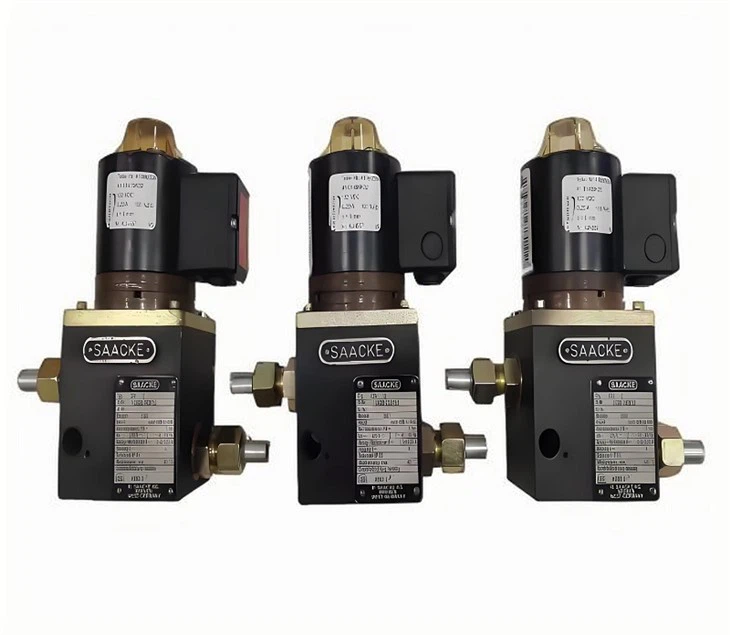
Maintaining the correct water level in the boiler is crucial for its safe and efficient operation. The water level control system continuously monitors the water level in the boiler and adjusts the water supply accordingly. It consists of sensors, controllers, and valves. The sensors detect the water level in the boiler, and the controllers analyze the data and send signals to the valves to open or close. If the water level is too low, the system will open the water supply valve to add more water. If the water level is too high, the valve will be closed. A malfunctioning water level control system can lead to serious problems, such as boiler dry - firing, which can damage the boiler and pose a safety risk.
7. Safety Valves
Safety valves are essential safety devices in an aux boiler. They are designed to relieve excess pressure in the boiler in case the pressure exceeds the safe operating limit. When the pressure in the boiler reaches a pre - set value, the safety valve opens, allowing the steam to escape. This prevents the boiler from exploding due to over - pressure. Safety valves need to be regularly inspected and maintained to ensure their proper functioning. They are a critical component in ensuring the safety of the boiler and the personnel working around it.
8. Flame Scanner
The flame scanner is a device that monitors the flame in the furnace. It ensures that the flame is stable and continuous. If the flame goes out or becomes unstable, the flame scanner sends a signal to the control system, which shuts off the fuel supply to prevent the accumulation of unburned fuel in the furnace. This is a crucial safety feature, especially in large - scale industrial and marine aux boilers. At our company, we offer high - quality Marine Boiler Flame Scanner that can accurately detect the flame status and provide reliable protection for your boiler.
9. Incinerator (Optional)
In some aux boiler systems, an incinerator may be included. The incinerator is used to burn waste materials, such as oil sludge and solid waste. This not only helps in waste management but also recovers some of the energy from the waste. The incinerator is designed to ensure complete combustion of the waste, minimizing environmental pollution. If you are in need of incinerator - related spare parts, we have a comprehensive range of Incinerator Spares to meet your requirements.
In conclusion, an aux boiler is a complex system composed of multiple components, each playing a vital role in its operation. As a trusted aux boiler supplier, we understand the importance of these components and offer high - quality products and services to ensure the optimal performance of your aux boiler. Whether you need a new boiler, replacement parts, or maintenance services, we are here to assist you. If you have any questions or are interested in purchasing an aux boiler or its components, please feel free to contact us for a detailed discussion. Our team of experts is ready to provide you with the best solutions tailored to your specific needs.
References
- "Boiler Operation Engineering Handbook" by Babcock & Wilcox
- "Marine Engineering: Principles and Practice" by John Carlton
- Various industry - specific technical papers and manuals on auxiliary boilers.