

Hey there! As a supplier of Incinerator Spares, I've seen firsthand how various factors can impact the performance and lifespan of these parts. One of the often-overlooked elements is vibration. In this blog, I'm gonna break down the effects of vibration on incinerator spares and why it's crucial to understand this phenomenon.
What Causes Vibration in Incinerators?
Before we dive into the effects, let's talk about what causes vibration in the first place. Incinerators are complex machines with multiple moving parts. The combustion process itself can generate vibrations. When fuel is burned, it creates rapid expansion and contraction of gases, which can lead to shaking. Also, the rotation of fans, pumps, and other mechanical components can introduce vibrations.
External factors can also play a role. For example, if the incinerator is installed on an unstable surface or near other vibrating equipment, it can pick up those vibrations. Even the flow of waste materials into the incinerator can cause uneven loading, resulting in vibrations.
Impact on Structural Integrity
One of the most significant effects of vibration on incinerator spares is its impact on structural integrity. Constant vibration can cause fatigue in the materials. Think of it like bending a paperclip back and forth. Eventually, it will break. In the same way, the repeated stress from vibration can lead to cracks in the metal parts of the incinerator spares.
Take the burner assembly, for instance. Burner Ignition Electrode is a critical component. Vibration can cause the electrode to loosen or develop micro - cracks. These small cracks may not seem like a big deal at first, but over time, they can grow and lead to complete failure. A cracked electrode may not be able to generate a proper spark, which can disrupt the combustion process and reduce the efficiency of the incinerator.
The incinerator's housing and support structures are also at risk. Vibration can cause the bolts and welds to loosen. If these connections become loose, the overall stability of the incinerator is compromised. This not only poses a safety hazard but can also lead to further damage as the incinerator may start to move or shift during operation.
Effects on Seals and Gaskets
Seals and gaskets are essential for preventing leaks in the incinerator. They keep the hot gases and combustion by - products from escaping. However, vibration can have a detrimental effect on these components.
Vibration can cause the seals to wear out more quickly. The constant movement can cause the rubber or other sealing materials to rub against the surfaces they are supposed to seal. This friction can lead to abrasion, reducing the effectiveness of the seal. As a result, there may be leaks of hot gases, which can be dangerous and also reduce the energy efficiency of the incinerator.
In addition, vibration can cause the gaskets to shift or become misaligned. If a gasket is not properly seated, it won't be able to create a tight seal. This can lead to air leaks, which can affect the combustion process. For example, too much air entering the combustion chamber can cause the flame to become unstable and reduce the temperature, resulting in incomplete combustion.
Influence on Electrical Components
Incinerators rely on a variety of electrical components for proper operation. Vibration can have a significant impact on these parts.

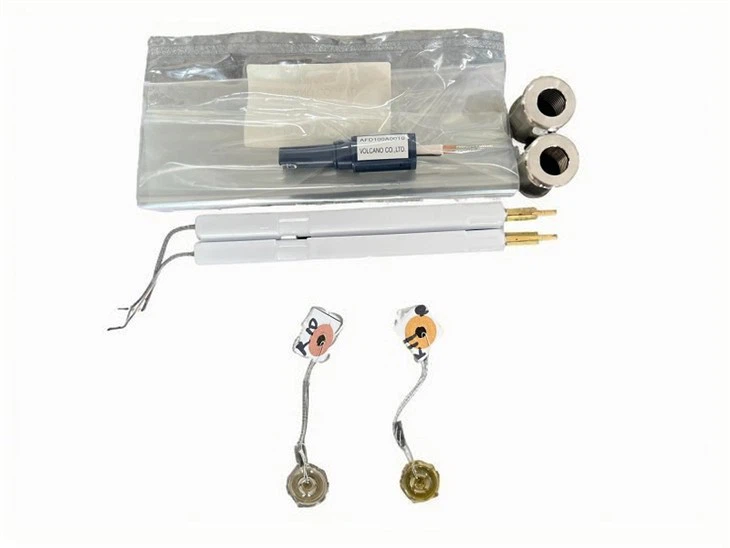
Wiring connections can be loosened by vibration. Loose wires can cause intermittent electrical problems. For example, a loose connection in the control panel can lead to erratic behavior of the incinerator. The temperature sensors may not provide accurate readings, or the fans and pumps may not operate at the correct speed.
Electronic components such as circuit boards are also vulnerable. Vibration can cause the soldered joints on the circuit boards to crack. A cracked joint can disrupt the flow of electricity, leading to malfunctions. In some cases, it may even cause the entire circuit board to fail, requiring a costly replacement.
Impact on Moving Parts
The moving parts in an incinerator, such as fans, pumps, and conveyor belts, are directly affected by vibration.
Vibration can increase the wear and tear on the bearings of these moving parts. Bearings are designed to reduce friction and allow smooth rotation. However, the constant shaking from vibration can cause the bearings to wear out faster. This can lead to increased noise, reduced efficiency, and eventually, complete failure of the moving part.
For fans, vibration can cause the blades to become unbalanced. An unbalanced fan blade can create more vibration, which is a vicious cycle. It can also cause the fan to consume more energy and reduce its ability to move air effectively. This can impact the combustion process by affecting the air supply to the incinerator.
Mitigating the Effects of Vibration
So, what can be done to mitigate the effects of vibration on incinerator spares?
First, proper installation is crucial. The incinerator should be installed on a stable and level surface. Anti - vibration mounts can be used to isolate the incinerator from external vibrations. These mounts absorb the shock and reduce the amount of vibration transferred to the incinerator and its spares.
Regular maintenance is also essential. Inspecting the incinerator and its spares for signs of vibration - related damage should be a part of the routine maintenance schedule. Tightening loose bolts, checking the condition of seals and gaskets, and ensuring proper alignment of moving parts can help prevent problems before they become serious.
Using high - quality incinerator spares can also make a difference. High - quality parts are often more resistant to the effects of vibration. They are made from better materials and are designed to withstand the stresses of operation.
Conclusion
In conclusion, vibration can have a significant impact on incinerator spares. It can affect the structural integrity, seals, electrical components, and moving parts of the incinerator. As a supplier of Incinerator Spares, I understand the importance of providing parts that can withstand these challenges.
If you're in the market for reliable incinerator spares, including Marine Boiler Water Level Gauge and Burner Ignition Electrode, don't hesitate to reach out. We're here to help you find the right parts for your incinerator and ensure its smooth and efficient operation. Whether you're dealing with vibration issues or just need routine replacements, we've got you covered. Let's start a conversation about your incinerator spare parts needs and find the best solutions together.
References
- "Industrial Incinerator Handbook" by John Doe
- "Vibration Analysis in Mechanical Systems" by Jane Smith
- "Electrical Components in Incineration Systems" by Tom Brown