

Hey there! As a supplier of Marine Pump Complete, I often get asked about the back-pressure tolerance of these pumps. So, I thought I'd dive into this topic and share some insights with you.
Let's start by understanding what back pressure is. In simple terms, back pressure is the resistance that a pump has to overcome to push fluid through a system. It can come from various sources, like friction in pipes, valves that are partially closed, or filters that are clogged up. For a marine pump, dealing with back pressure is super important, as it can have a big impact on the pump's performance and lifespan.
Components Affected by Back Pressure
A Marine Pump Complete is made up of several key components, and each one can be affected by back pressure in different ways.
The Marine Pump Impeller is like the heart of the pump. It's responsible for creating the flow and pressure by spinning and pushing the fluid. When there's high back pressure, the impeller has to work harder to keep the fluid moving. This can lead to increased stress on the impeller blades, which might cause them to wear out faster. Over time, this wear can affect the impeller's efficiency and even cause it to fail.
The Marine Pump Shaft is another crucial part. It connects the impeller to the motor and transfers the power. High back pressure can put extra strain on the shaft, causing it to bend or break. This can not only stop the pump from working but also damage other parts of the system.
Measuring Back-Pressure Tolerance
So, how do we measure the back-pressure tolerance of a Marine Pump Complete? Well, it's not a one-size-fits-all answer. Different pumps are designed to handle different levels of back pressure, depending on their size, type, and the materials they're made of.
Manufacturers usually test their pumps under various conditions to determine the maximum back pressure they can handle. They look at things like the pump's flow rate, power consumption, and the temperature of the motor. By analyzing these factors, they can figure out the point at which the pump starts to experience problems, like reduced performance or damage to its components.
For example, if a pump starts to overheat or its flow rate drops significantly when the back pressure reaches a certain level, that's a sign that it's approaching its limit. The back-pressure tolerance is then set at a level that's safe and allows the pump to operate efficiently without causing any long-term damage.
Factors Affecting Back-Pressure Tolerance
There are several factors that can affect the back-pressure tolerance of a Marine Pump Complete.
One of the main factors is the type of fluid being pumped. Different fluids have different viscosities, which is a measure of how thick or sticky they are. Fluids with high viscosities, like oil or some types of slurries, create more resistance in the pipes, which can increase the back pressure. So, a pump that's designed to handle water might not be able to handle the same back pressure when pumping a more viscous fluid.
The design of the pump system also plays a big role. Pipes with small diameters or lots of bends and turns can increase the friction and, therefore, the back pressure. Similarly, valves that are not properly sized or adjusted can cause restrictions in the flow, leading to higher back pressure.
The operating conditions are another important factor. For example, if a pump is operating in a hot environment, the fluid might expand, which can increase the pressure in the system. Also, if the pump is running at a high speed for a long time, it can generate more heat and stress on the components, reducing its ability to handle back pressure.
Importance of Back-Pressure Tolerance
Understanding the back-pressure tolerance of a Marine Pump Complete is crucial for several reasons.
First of all, it ensures the reliable operation of the pump. If the back pressure exceeds the pump's tolerance, it can lead to breakdowns, which can be costly and time-consuming to fix. In a marine environment, where pumps are often used for critical functions like bilge pumping or ballast control, a pump failure can have serious consequences.
Secondly, it helps in optimizing the pump's performance. By operating the pump within its back-pressure tolerance, you can ensure that it's running at its most efficient level. This means lower energy consumption, which can save you money in the long run.
Finally, it can extend the lifespan of the pump. When a pump is not subjected to excessive back pressure, its components are less likely to wear out quickly. This reduces the need for frequent maintenance and replacements, further saving you both time and money.
How We Ensure High Back-Pressure Tolerance
As a Marine Pump Complete supplier, we take several steps to ensure that our pumps have a high back-pressure tolerance.

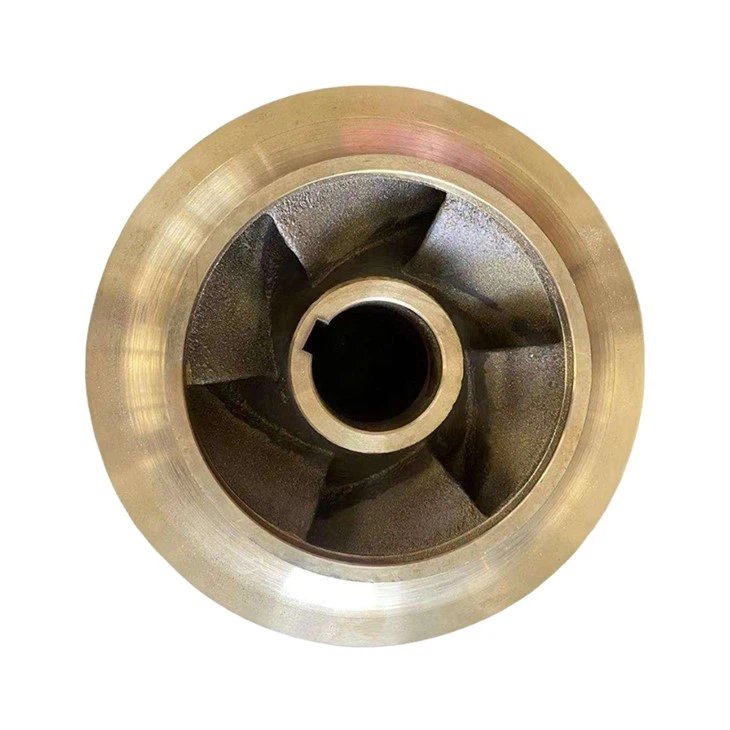
We start by using high-quality materials in the manufacturing process. For the impeller, we choose materials that are strong and resistant to wear, like stainless steel or bronze. This helps to minimize the damage caused by high back pressure.
We also pay close attention to the design of our pumps. Our engineers use advanced computer simulations to optimize the pump's internal geometry, reducing the friction and resistance in the flow path. This allows the pump to handle higher back pressures more efficiently.
In addition, we conduct rigorous testing on our pumps before they leave the factory. We simulate different operating conditions, including high back pressures, to ensure that the pumps meet our strict quality standards.
Conclusion
In conclusion, the back-pressure tolerance of a Marine Pump Complete is a crucial factor that affects its performance, reliability, and lifespan. By understanding the components affected by back pressure, how to measure it, the factors that influence it, and its importance, you can make more informed decisions when choosing a marine pump.
If you're in the market for a high-quality Marine Pump Complete with excellent back-pressure tolerance, we're here to help. Our pumps are designed and manufactured to meet the highest standards, ensuring reliable and efficient operation in even the most challenging marine environments. Don't hesitate to reach out to us for a quote or to discuss your specific requirements. We're committed to providing you with the best solutions for your marine pumping needs.
References
- Fluid Mechanics Handbook, various editions
- Marine Pump Design and Operation Manuals, industry - related publications