

Hey there, fellow marine enthusiasts! As a supplier in the marine valve game, I get asked a ton about the difference between pneumatic and electric marine valve actuators. So, let's dive right in and break it down.
What Are Valve Actuators Anyway?
Before we get into the nitty - gritty of pneumatic and electric actuators, let's quickly talk about what valve actuators do. In simple terms, a valve actuator is a device that opens and closes a valve. In the marine industry, valves are super important for controlling the flow of fluids like water, oil, and gas in ships, offshore platforms, and other marine structures.
Pneumatic Marine Valve Actuators
Pneumatic actuators use compressed air to operate. They've been around for a long time and are a popular choice in many marine applications.
How They Work
A pneumatic actuator typically consists of a piston or diaphragm that moves when compressed air is applied. When the air pressure is increased on one side of the piston or diaphragm, it causes movement, which in turn opens or closes the valve. For example, if you have a Marine Butterfly Valve, a pneumatic actuator can be used to rotate the disc inside the valve to control the flow.
Advantages
- Quick Response: Pneumatic actuators can open and close valves very quickly. This is great in situations where you need to stop the flow of a fluid rapidly, like in case of an emergency on a ship.
- Simple Design: They have a relatively simple design, which means they're often easier to maintain. You don't need a lot of high - tech tools or specialized knowledge to keep them in good working order.
- Explosion - Proof: Since they use compressed air instead of electricity, pneumatic actuators are a great choice in areas where there's a risk of explosion. For instance, in the engine rooms of ships where there might be flammable gases.
Disadvantages
- Limited Force: Pneumatic actuators might not be able to generate as much force as electric actuators. So, if you're dealing with a large valve or a valve that needs to be opened or closed against high pressure, a pneumatic actuator might not be the best option.
- Air Supply Dependency: They rely on a continuous supply of compressed air. If there's a problem with the air compressor or the air supply system, the actuator won't work properly.
Electric Marine Valve Actuators
Electric actuators, as the name suggests, use electricity to operate. They're becoming more and more popular in the marine industry.
How They Work
An electric actuator usually has an electric motor that converts electrical energy into mechanical energy. This mechanical energy is then used to move the valve. For a Marine Storm Valve, an electric actuator can be used to lift or lower the valve disc to control the flow during storms or rough weather.
Advantages
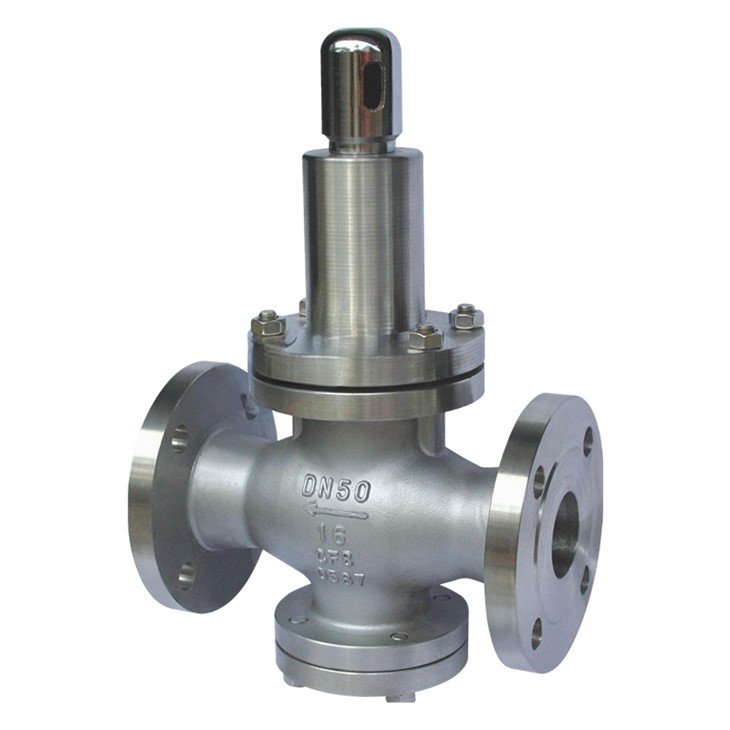
- High Torque: Electric actuators can generate a lot of torque, which means they can handle large valves and valves that need to be operated against high pressure. For example, in a Marine Pressure Reduction Valve, an electric actuator can precisely control the valve to reduce the pressure of the fluid.
- Precise Control: They offer very precise control over the valve position. You can set the actuator to open the valve to a specific degree, which is useful in applications where you need to control the flow rate accurately.
- No Air Supply Needed: Unlike pneumatic actuators, electric actuators don't need a compressed air supply. This makes them more convenient in some situations, especially in areas where it's difficult to set up an air supply system.
Disadvantages
- Complexity: Electric actuators are generally more complex than pneumatic ones. They have more components, such as motors, controllers, and wiring, which can make them more difficult to maintain.
- Risk of Electrical Failure: Since they rely on electricity, there's a risk of electrical failure. In a marine environment, where there's a lot of moisture and saltwater, electrical components can corrode and fail more easily.
Which One Should You Choose?
Deciding between a pneumatic and an electric marine valve actuator depends on several factors.
Application Requirements
If you need a quick - acting valve for an emergency shut - off, a pneumatic actuator might be the way to go. On the other hand, if you need precise control over the valve position or have a large valve that needs to be operated against high pressure, an electric actuator would be a better choice.
Environment
In areas where there's a risk of explosion, pneumatic actuators are a safer option. In a relatively dry and low - risk environment, an electric actuator can offer more functionality and precise control.
Cost
Pneumatic actuators are usually less expensive to purchase and install than electric actuators. However, you also need to consider the cost of maintaining the air supply system for pneumatic actuators. Electric actuators might have a higher upfront cost, but they don't require an air supply system, which can save you money in the long run.
Conclusion
Both pneumatic and electric marine valve actuators have their own strengths and weaknesses. As a marine valve supplier, I've seen firsthand how the right choice of actuator can make a big difference in the performance of a valve system. Whether you're looking for a Marine Butterfly Valve, a Marine Storm Valve, or a Marine Pressure Reduction Valve, choosing the right actuator is crucial.
If you're in the market for marine valves or actuators, and you're not sure which type is best for your needs, don't hesitate to reach out. We're here to help you make the right decision and ensure that your marine valve system works perfectly. Contact us for more information and let's start a discussion about your specific requirements.

References
- "Marine Valve Handbook" - A comprehensive guide on marine valves and their actuators.
- Industry reports on marine equipment technology and trends.