

Fluid properties play a crucial role in the performance and longevity of a marine pump shaft. As a dedicated Marine Pump Shaft supplier, I've witnessed firsthand how various fluid characteristics can impact these essential components. In this blog post, we'll explore the influence of fluid properties on a marine pump shaft, including density, viscosity, temperature, and chemical composition.
Density
Fluid density is a fundamental property that affects the load on the marine pump shaft. Higher density fluids require more energy to move, which in turn increases the torque and power demand on the shaft. For instance, seawater has a higher density compared to freshwater, typically around 1025 kg/m³ as opposed to 1000 kg/m³. When a marine pump is handling seawater, the pump shaft must withstand greater forces to maintain the desired flow rate.
This increased load can lead to higher stress levels on the shaft, potentially causing fatigue and premature failure. To counteract the effects of high - density fluids, pump shafts need to be designed with appropriate material strength and dimensions. For example, shafts made from high - strength alloy steels can better withstand the increased stress associated with pumping high - density fluids. As a supplier, we offer a range of Marine Pump Shaft options with different material compositions and diameters to meet the specific requirements of different fluid densities.
Viscosity
Viscosity refers to a fluid's resistance to flow. High - viscosity fluids, such as heavy oils, create more drag on the pump impeller and shaft. When the fluid is highly viscous, the pump has to work harder to move it through the system. This results in increased frictional forces on the shaft, which can lead to higher operating temperatures and greater wear.
In a marine environment, pumps may be required to handle a variety of viscous fluids, from lubricating oils to crude oil. For pumps dealing with high - viscosity fluids, the shaft design needs to account for the additional frictional forces. We recommend using shafts with smooth surfaces and appropriate coatings to reduce friction. Additionally, the bearing selection becomes crucial as high - viscosity fluids can cause increased pressure on the bearings, affecting their performance. Our Marine Pump Complete systems are engineered to handle a wide range of fluid viscosities, ensuring efficient operation and long - term reliability.
Temperature
Fluid temperature can have a significant impact on the performance of a marine pump shaft. High - temperature fluids can cause thermal expansion of the shaft and other pump components. If the pump is not designed to accommodate this expansion, it can lead to misalignment, increased stress, and even seizure of the shaft.
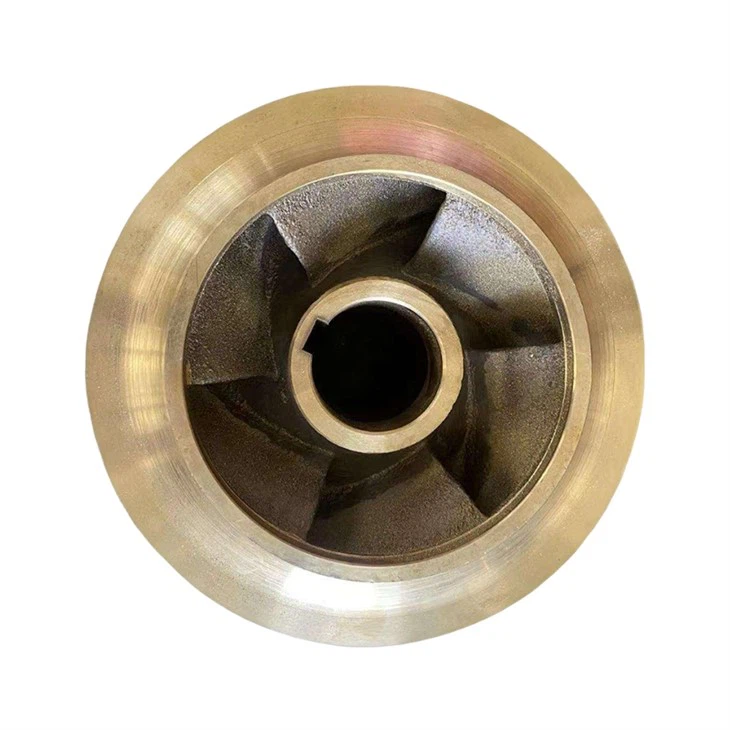
On the other hand, low - temperature fluids can make the shaft material more brittle, increasing the risk of cracking. For example, in Arctic marine applications, pumps may encounter extremely cold seawater. To address these temperature - related challenges, we offer shafts made from materials with low coefficients of thermal expansion and good cold - temperature toughness. Our Marine Pump Impeller designs are also optimized to work efficiently across a wide temperature range, ensuring consistent performance in diverse marine environments.
Chemical Composition
The chemical composition of the fluid being pumped can be extremely corrosive to the marine pump shaft. Seawater, for example, contains various salts and minerals that can cause corrosion over time. If left unprotected, the shaft surface can deteriorate, leading to reduced strength and potential failure.
In addition to seawater, some marine applications may involve pumping chemicals or other corrosive substances. To protect the shaft from corrosion, we offer shafts with special coatings and surface treatments. These protective layers act as a barrier between the shaft material and the corrosive fluid, extending the shaft's lifespan. We also provide guidance on material selection based on the specific chemical composition of the fluid, ensuring that the pump shaft is well - suited to the operating environment.
Cavitation
Cavitation is another phenomenon related to fluid properties that can affect the marine pump shaft. When the pressure in a fluid drops below its vapor pressure, vapor bubbles form. These bubbles then collapse when they move to a region of higher pressure, creating shock waves that can damage the pump impeller and shaft.
Cavitation can lead to pitting and erosion on the shaft surface, reducing its strength and integrity. To prevent cavitation, proper pump design and operation are essential. This includes ensuring that the pump is operating within its recommended flow and pressure range, and that the suction conditions are optimized. As a supplier, we work closely with our customers to design pumps that minimize the risk of cavitation, taking into account the fluid properties and operating conditions.
Wear and Tear
The combination of various fluid properties can lead to significant wear and tear on the marine pump shaft. The frictional forces from high - viscosity fluids, the thermal stresses from high - temperature fluids, and the corrosive effects of certain chemical compositions all contribute to the degradation of the shaft over time.
Regular maintenance and inspection are crucial to detect early signs of wear and take appropriate action. We offer maintenance services and replacement parts to ensure that the pump shaft remains in optimal condition. By understanding the influence of fluid properties on the shaft, we can provide our customers with the best solutions to minimize wear and extend the life of their marine pumps.
Conclusion
In conclusion, fluid properties have a profound influence on the performance and durability of a marine pump shaft. Density, viscosity, temperature, chemical composition, cavitation, and wear and tear all need to be carefully considered when designing and operating a marine pump system. As a leading Marine Pump Shaft supplier, we are committed to providing high - quality products and expert advice to help our customers overcome the challenges posed by different fluid properties.
If you're in the market for a reliable marine pump shaft or have questions about how fluid properties may affect your pump system, we invite you to contact us for a detailed discussion. Our team of experts is ready to assist you in selecting the right products and solutions for your specific needs. Let's work together to ensure the efficient and long - lasting operation of your marine pumps.

References
- Miller, R. W. (2018). Fluid Mechanics for Engineers. McGraw - Hill Education.
- Incropera, F. P., & DeWitt, D. P. (2019). Fundamentals of Heat and Mass Transfer. Wiley.
- Perry, R. H., & Green, D. W. (2017). Perry's Chemical Engineers' Handbook. McGraw - Hill Professional.