

As a supplier of marine pumps, I understand the critical role that these pumps play in various marine applications. One of the key components that require careful maintenance is the coupling of the marine pump. A well - maintained coupling ensures smooth operation, reduces vibration, and extends the lifespan of the pump system. In this blog, I'll share some essential tips on how to maintain the coupling of a marine pump.
Understanding the Coupling in a Marine Pump
Before diving into maintenance, it's important to understand what a coupling is and its functions in a marine pump. A coupling is a device used to connect two shafts together at their ends for the purpose of transmitting power. In a marine pump, the coupling connects the pump shaft to the motor shaft. This connection allows the motor to transfer rotational energy to the pump, enabling it to draw in and discharge fluids.
There are different types of couplings used in marine pumps, such as flexible couplings and rigid couplings. Flexible couplings can accommodate misalignment between the shafts to some extent, while rigid couplings provide a more direct and fixed connection. Each type has its own advantages and is selected based on the specific requirements of the marine pump system.

Regular Inspection
Regular inspection is the first and most important step in maintaining the coupling of a marine pump. Inspections should be carried out at regular intervals, depending on the operating conditions of the pump. For pumps that operate continuously in harsh marine environments, inspections may need to be more frequent.
- Visual Inspection: Start by visually examining the coupling for any signs of wear, damage, or misalignment. Look for cracks, corrosion, or excessive wear on the coupling components. Check the bolts and fasteners to ensure they are tight and in good condition. Loose bolts can cause the coupling to vibrate, leading to premature wear and potential failure.
- Alignment Check: Misalignment between the pump shaft and the motor shaft is a common issue that can significantly affect the performance of the coupling. Use alignment tools such as laser alignment systems or dial indicators to check the alignment of the shafts. Proper alignment is crucial for reducing stress on the coupling and ensuring smooth power transmission. If misalignment is detected, adjustments should be made promptly.
Lubrication
Proper lubrication is essential for the smooth operation of the coupling. Lubrication reduces friction between the moving parts of the coupling, which in turn reduces wear and heat generation.
- Select the Right Lubricant: Different types of couplings may require different types of lubricants. Consult the manufacturer's specifications to determine the appropriate lubricant for your coupling. In general, high - quality greases or oils are commonly used for coupling lubrication.
- Lubrication Schedule: Establish a regular lubrication schedule based on the operating conditions of the pump. For pumps that operate continuously, lubrication may need to be carried out more frequently. Over - lubrication can also be a problem, as it can lead to the accumulation of dirt and debris, so it's important to follow the recommended lubrication amount.
Cleaning
Keeping the coupling clean is another important aspect of maintenance. Marine environments are often harsh, with saltwater, dirt, and debris that can accumulate on the coupling and cause damage.
- Regular Cleaning: Use a suitable cleaning agent to remove dirt, salt, and other contaminants from the coupling. Avoid using abrasive cleaners that could scratch the surface of the coupling. After cleaning, dry the coupling thoroughly to prevent corrosion.
- Sealing Protection: Ensure that the coupling is properly sealed to prevent the ingress of water and contaminants. Check the seals regularly and replace them if they are damaged or worn.
Monitoring Vibration
Vibration is a key indicator of the health of the coupling in a marine pump. Excessive vibration can be a sign of misalignment, wear, or other problems with the coupling.
- Vibration Monitoring Equipment: Install vibration monitoring equipment on the pump system to continuously monitor the vibration levels of the coupling. These devices can detect changes in vibration patterns and alert operators to potential issues.
- Analyzing Vibration Data: Regularly analyze the vibration data to identify any trends or anomalies. If the vibration levels exceed the normal range, it's important to investigate the cause and take corrective actions immediately.
Replacement of Worn Parts
Over time, the components of the coupling will wear out and need to be replaced. It's important to have a stock of spare parts on hand to minimize downtime in case of a failure.
- Identifying Worn Parts: During inspections, pay close attention to the coupling components that are prone to wear, such as the elastomeric elements in flexible couplings or the keys and bushings in rigid couplings. If these parts show signs of significant wear or damage, they should be replaced promptly.
- Using Quality Spare Parts: When replacing worn parts, always use high - quality spare parts that are compatible with your coupling. Using sub - standard parts can lead to premature failure and compromise the performance of the pump system.
Importance of Components in Coupling Maintenance
Several key components of the marine pump are closely related to the coupling and their proper maintenance also affects the coupling's performance.
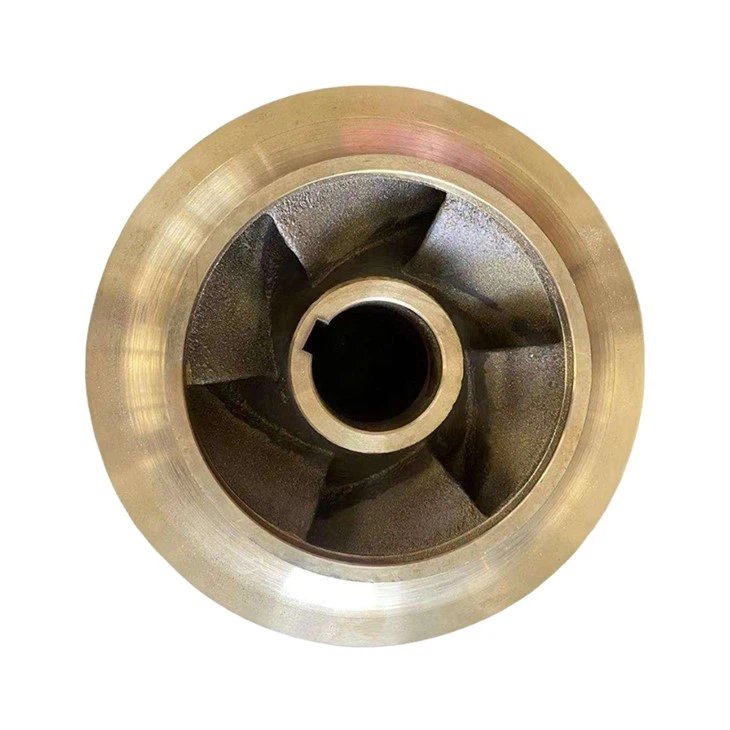
- Marine Pump Impeller: The impeller is a crucial part of the marine pump. A damaged or worn impeller can cause uneven load distribution on the pump shaft, which in turn can put additional stress on the coupling. Regularly inspect and maintain the impeller to ensure its proper functioning.
- Marine Pump Mechanical Seal: The mechanical seal prevents leakage of fluid from the pump. A faulty mechanical seal can lead to fluid leakage onto the coupling, causing corrosion and damage. Keep the mechanical seal in good condition to protect the coupling.
- Marine Pump Shaft: The pump shaft is directly connected to the coupling. Any damage or misalignment of the shaft can have a significant impact on the coupling. Regularly check the shaft for straightness and wear, and make necessary repairs or replacements.
Conclusion
Maintaining the coupling of a marine pump is a crucial task that requires regular attention and proper procedures. By following the tips outlined in this blog, including regular inspection, proper lubrication, cleaning, vibration monitoring, and timely replacement of worn parts, you can ensure the optimal performance and longevity of the coupling.
If you are in the market for high - quality marine pumps or need advice on coupling maintenance, we are here to help. Our team of experts has extensive experience in the marine pump industry and can provide you with the best solutions for your needs. Whether you are looking for a new pump or need to upgrade your existing system, we invite you to contact us for a detailed discussion. Let's work together to ensure the smooth operation of your marine pump systems.
References
- Marine Pump Manufacturer's Manuals
- Industry Standards for Marine Pump Maintenance
- Technical Papers on Coupling Maintenance in Marine Applications