

As a seasoned marine pump supplier, I've witnessed firsthand the complexities and challenges that come with maintaining and troubleshooting marine pumps. These essential pieces of equipment play a crucial role in various marine applications, from propulsion systems to ballast management. However, like any machinery, marine pumps are prone to issues that can disrupt operations and lead to costly downtime. In this blog post, I'll share some valuable insights and practical tips on how to troubleshoot common marine pump problems effectively.
Understanding the Basics of Marine Pumps
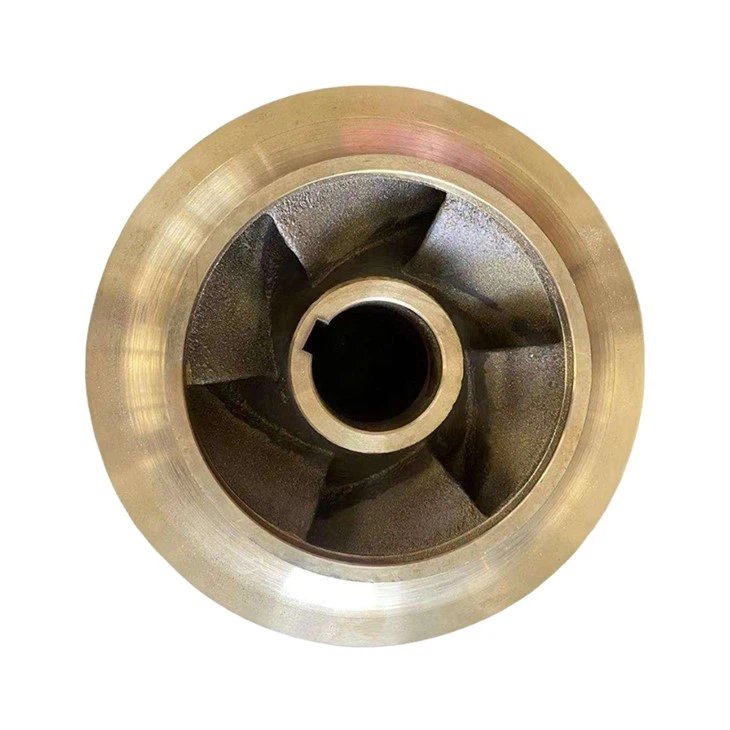
Before delving into troubleshooting, it's essential to have a basic understanding of how marine pumps work. Marine pumps are designed to move fluids, such as water, oil, or fuel, through a system. They typically consist of an impeller, a shaft, a housing, and a mechanical seal. The impeller is responsible for creating the flow of fluid, while the shaft transfers the power from the motor to the impeller. The housing encloses the impeller and shaft, and the mechanical seal prevents fluid leakage.
Common Marine Pump Problems and Their Causes
1. Low Flow or No Flow
- Clogged Impeller: One of the most common causes of low or no flow in a marine pump is a clogged impeller. Debris, such as sand, dirt, or seaweed, can accumulate on the impeller blades, reducing its efficiency and preventing it from creating the necessary flow.
- Blocked Suction Line: A blocked suction line can also restrict the flow of fluid into the pump. This can be caused by a variety of factors, including a clogged strainer, a kinked hose, or a blockage in the pipe.
- Worn Impeller: Over time, the impeller can wear out due to continuous use and exposure to abrasive fluids. A worn impeller may not be able to generate enough flow to meet the system's requirements.
2. Leaking Pump
- Faulty Mechanical Seal: The mechanical seal is a critical component of the pump that prevents fluid leakage. If the mechanical seal is damaged or worn out, it can allow fluid to escape from the pump. This can be caused by improper installation, excessive vibration, or chemical corrosion.
- Cracked Housing: A cracked housing can also lead to fluid leakage. This can be caused by physical damage, such as a collision or impact, or by thermal stress due to extreme temperature changes.
- Loose Fittings: Loose fittings, such as bolts or nuts, can cause fluid to leak from the pump. This can be easily overlooked but can have a significant impact on the pump's performance.
3. Excessive Noise or Vibration
- Misaligned Shaft: A misaligned shaft can cause excessive vibration and noise in the pump. This can be caused by improper installation, wear and tear, or damage to the shaft bearings.
- Unbalanced Impeller: An unbalanced impeller can also lead to vibration and noise. This can be caused by uneven wear on the impeller blades or the presence of debris on the impeller.
- Loose Mounting: A loose mounting can cause the pump to vibrate excessively. This can be caused by improper installation or the loosening of the mounting bolts over time.
4. Overheating Pump
- Insufficient Lubrication: The pump's bearings and other moving parts require proper lubrication to reduce friction and prevent overheating. If the lubrication is insufficient or contaminated, it can cause the pump to overheat.
- Excessive Load: Operating the pump at a higher load than its rated capacity can also cause it to overheat. This can be due to a blockage in the system, a malfunctioning valve, or an incorrect pump selection.
- Poor Ventilation: Inadequate ventilation can prevent the pump from dissipating heat effectively, leading to overheating. This can be caused by a blocked ventilation duct or a lack of airflow around the pump.
Troubleshooting Steps
1. Visual Inspection
The first step in troubleshooting a marine pump is to conduct a visual inspection. Look for any obvious signs of damage, such as cracks, leaks, or loose fittings. Check the impeller for debris or wear, and inspect the suction line and discharge line for blockages. Pay close attention to the mechanical seal and the housing for any signs of leakage.
2. Check the Electrical Connections
If the pump is electrically powered, check the electrical connections to ensure they are secure and free of corrosion. A loose or corroded connection can cause the pump to malfunction or not operate at all. Use a multimeter to test the voltage and continuity of the electrical circuit.
3. Monitor the Pump Performance
Monitor the pump's performance closely to identify any abnormal behavior. Check the flow rate, pressure, and temperature of the fluid being pumped. Compare these readings to the pump's specifications to determine if the pump is operating within the normal range. If the readings are outside the normal range, it may indicate a problem with the pump.
4. Disassemble and Inspect the Pump
If the visual inspection and performance monitoring do not reveal the source of the problem, you may need to disassemble the pump for a more detailed inspection. This should be done by a qualified technician who has the necessary tools and expertise. During the disassembly process, carefully inspect each component of the pump, including the impeller, shaft, mechanical seal, and housing. Look for any signs of damage, wear, or corrosion. Replace any damaged or worn-out components as needed.
Preventive Maintenance Tips
- Regular Inspection and Cleaning: Regularly inspect and clean the pump to prevent the accumulation of debris and dirt. This can help extend the life of the pump and reduce the risk of problems.
- Proper Installation: Ensure that the pump is installed correctly according to the manufacturer's instructions. This includes proper alignment, secure mounting, and correct electrical connections.
- Use the Right Lubricant: Use the recommended lubricant for the pump's bearings and other moving parts. This can help reduce friction and prevent overheating.
- Monitor the System: Continuously monitor the pump's performance and the system's operating conditions. This can help detect any potential problems early and allow for timely maintenance and repairs.
Conclusion
Troubleshooting marine pump problems requires a systematic approach and a thorough understanding of the pump's components and operation. By following the steps outlined in this blog post, you can effectively diagnose and resolve common marine pump problems. Remember to always prioritize safety and consult a qualified technician if you are unsure about any aspect of the troubleshooting process.

If you're experiencing issues with your marine pumps or are in need of high-quality marine pump products, I encourage you to [contact us](insert appropriate contact method here). As a trusted marine pump supplier, we have the expertise and resources to provide you with the solutions you need. Whether you need a new pump, replacement parts, or technical support, we're here to help.
References
- "Marine Pump Handbook" by John Doe
- "Troubleshooting Guide for Marine Pumps" by Jane Smith
- "Best Practices for Marine Pump Maintenance" by ABC Publishing
For more information on marine pump components, please visit the following links: